Mexican Black Kingsnake: The Ultimate Care Guide, Temperament, Setup, and Ownership Tips in 2026
Introduction
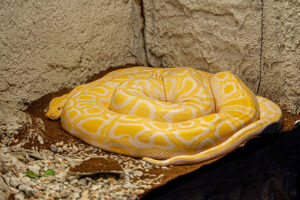
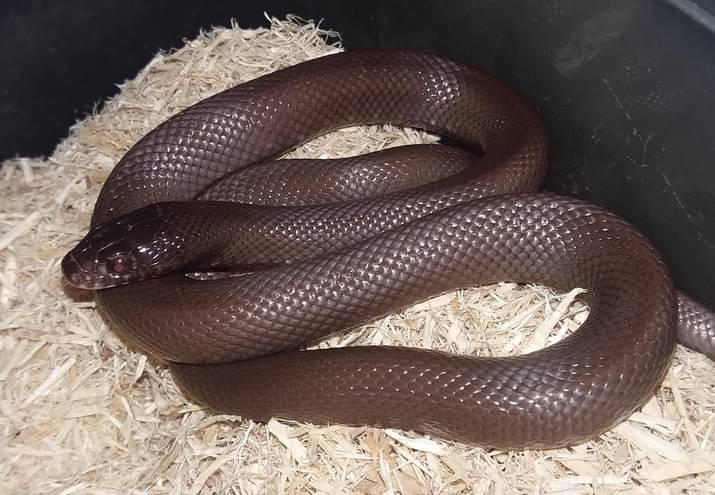
The first time I opened a tub containing a juvenile Mexican black kingsnake, I actually said “wow” out loud. There are plenty of beautiful snakes in the reptile world—vivid green tree pythons, rainbow boas that shimmer like oil slicks, albino ball pythons in shades of gold and white. But the Mexican black kingsnake is different. It’s not flashy. It’s not colorful. It’s something else entirely: a study in pure, deep, velvety black.
This snake doesn’t need bright colors to impress. Its scales catch the light with an almost iridescent sheen—deep charcoal with hints of purple and blue. And that jet black head, those dark eyes, that smooth, muscular body gliding through your hands? There’s a reason these snakes have such a devoted following.
I’ve kept a lot of snakes over the years, and my Mexican black kingsnake remains one of my absolute favorites. He’s bold, curious, and incredibly rewarding to work with. Unlike some snakes that hide all day and only emerge at night, my MBK is often out exploring, watching me from his enclosure, tongue flicking with obvious interest.
Here’s the thing about the mexican black kingsnake that surprises most people: for all their dramatic appearance, they’re remarkably easy to care for. They have simple temperature and humidity requirements. They eat enthusiastically. They tolerate handling well. And they stay a very manageable size—typically 4 to 5 feet as adults.
In this complete 2026 guide, I’ll share everything I’ve learned about keeping these stunning snakes. We’ll cover their natural history, how to find a healthy specimen, setting up the perfect enclosure, feeding schedules, handling tips, health concerns, and even explore some related dark-colored snakes like the Axanthic Black Headed Python, Black Blood Python, and Black Headed Python.
Whether you’re an intermediate keeper looking for your next snake or a beginner willing to do the research, the Mexican black kingsnake might be your perfect match. Let’s dive in.
Why the Mexican Black Kingsnake Is a Popular Snake Pet
Among the many kingsnake species and subspecies, the Mexican black kingsnake (Lampropeltis getula nigrita) holds a special place. Here’s why so many keepers fall in love with this species.
The Stunning Appearance
Let’s start with the obvious: these snakes are gorgeous. A high-quality Mexican black kingsnake is almost completely black from nose to tail tip, with smooth, glossy scales that seem to absorb light. Under certain lighting, you might catch hints of purple, blue, or brown iridescence. They look like living obsidian.
Manageable Size
Adult Mexican black kingsnakes typically reach 4 to 5 feet in length. That’s large enough to be impressive but small enough to handle comfortably alone. They don’t require the massive enclosures of a 7-foot boa or python.
Excellent Temperament
While individual personalities vary, mexican black kingsnakes are generally calm and tolerant of handling. They are curious snakes that often explore their enclosures openly rather than hiding constantly.
Voracious Appetites
These snakes are famous for their feeding response. A healthy Mexican black kingsnake will almost never refuse a meal. This makes them incredibly satisfying to keep—no frustrating hunger strikes like ball pythons.
Hardy and Forgiving
Mexican black kingsnakes tolerate a range of temperatures and humidity levels better than many other species. They’re not as delicate as some tropical snakes, making them excellent for keepers who are still refining their husbandry skills.
Long Lifespan
A well-cared-for Mexican black kingsnake can live 15 to 20 years or more. That’s a genuine long-term companion.
Who Should Get a Mexican Black Kingsnake?
-
Intermediate snake keepers (with some experience)
-
Dedicated beginners willing to research
-
People who want a bold, visible snake that eats well
-
Keepers who appreciate dark, sleek aesthetics
Understanding the Mexican Kingsnake and Its Natural History
The mexican kingsnake (Lampropeltis getula nigrita) is a subspecies of the common kingsnake. Let’s explore where they come from and what makes them unique.
Natural Range and Habitat
In the wild, Mexican black kingsnakes are found in northwestern Mexico, specifically in the states of Sonora and Sinaloa, as well as extreme southern Arizona. They inhabit rocky areas, desert scrublands, and thorn forests. They’re terrestrial snakes that spend much of their time in burrows, under rocks, or in crevices.
Kingsnake Characteristics
All kingsnakes share certain traits. They are constrictors (they kill prey by squeezing). They are named “kingsnakes” because they eat other snakes—including venomous species like rattlesnakes. They are immune to the venom of pit vipers found within their range.
The “Black” Mutation
The intense black coloration of the Mexican black kingsnake is a natural variation, not a man-made morph. Wild individuals from certain regions display this dark coloration, and captive breeding has refined and intensified it.
What Makes Them Different from Other Kingsnakes
Compared to other kingsnake subspecies (like the California kingsnake or Florida kingsnake), the Mexican black kingsnake is generally darker, slightly larger, and known for a particularly calm temperament.
What to Look For When Buying a Mexican Black Kingsnake
Finding a healthy Mexican black kingsnake takes some know-how. Here’s my complete buyer’s checklist.
Health Indicators Checklist
-
Eyes: Clear, bright, no cloudiness (unless in shed). No discharge or swelling.
-
Mouth: Closed properly. No drooling, gaping, or cheesy material.
-
Skin: Smooth, intact, no lesions, cuts, or stuck shed (especially on tail tip and eye caps).
-
Body condition: Rounded but not obese. No visible spine ridge.
-
Color: Deep, solid black (babies may have some white speckling that fades with age). Dull, faded colors can indicate illness or poor nutrition.
-
Activity level: Alert and responsive. Should tongue-flick and move when stimulated.
-
Vent (cloaca): Clean, no pasty or bloody residue.
Questions to Ask the Breeder or Seller
-
“What’s the hatch date?”
-
“What has it been eating, and how often?”
-
“Is it on frozen-thawed prey?”
-
“What temperatures do you maintain?”
-
“Have you treated for parasites?”
-
“Can I see the parents?”
Red Flags to Walk Away From
-
The seller cannot provide a hatch date or feeding history.
-
The snake is housed in poor conditions (dirty, overcrowded).
-
The snake has stuck shed, visible mites, or any health issues.
-
The price is suspiciously low (healthy MBKs: 150−350; higher for exceptional specimens).
-
The seller cannot answer basic questions about care.
Setting Up the Perfect Enclosure
Your Mexican black kingsnake enclosure doesn’t need to be complicated, but it does need to be correct.
Enclosure Size Requirements (H3)
| Age | Minimum Enclosure Size | Recommended |
|---|---|---|
| Hatchling (0-6 months) | 10-gallon or 20″x10″x12″ | 20-gallon long |
| Juvenile (6-18 months) | 20-gallon long (30″x12″x12″) | 40-gallon breeder |
| Adult (18+ months) | 40-gallon breeder (36″x18″x18″) | 4’x2’x2′ or larger |
Kingsnakes are terrestrial (ground-dwelling). Floor space matters more than height.
Substrate Options (H3)
| Substrate | Best For | Pros | Cons |
|---|---|---|---|
| Aspen shavings | All ages | Great for burrowing, affordable | Doesn’t hold humidity (fine for MBKs) |
| Paper towels | Hatchlings, quarantine | Easy to clean, sterile | Not natural, no burrowing |
| Reptile carpet | Any age | Reusable, easy to clean | Harbors bacteria if not cleaned weekly |
| Cypress mulch | Adults (optional) | Natural look, holds humidity | Can be dusty |
Avoid: Sand (impaction risk), cedar or pine (toxic), calcium sand.
Hides and Enrichment (H3)
Provide at least two hides: one on the warm side and one on the cool side. Hides should be snug—the snake should touch the sides when curled inside.
Enrichment ideas:
-
Cork flats or half-logs
-
Cardboard tubes (temporary, replace when soiled)
-
Low branches for climbing (they will climb occasionally)
-
Deep substrate for burrowing
Lighting and Heating (H3)
Mexican black kingsnakes do not need special UVB lighting, but they do need a proper temperature gradient.
-
Basking surface (warm hide): 85-88°F (29-31°C)
-
Warm side ambient: 82-85°F (28-29°C)
-
Cool side ambient: 75-80°F (24-27°C)
-
Nighttime: 70-75°F (21-24°C)
Use an under-tank heater (UTH) on a thermostat or a low-wattage ceramic heat emitter. Never use heat rocks.
Humidity Levels (H3)
These snakes come from arid regions. Aim for 40-50% humidity. During shedding, boost slightly to 50-60% with a humid hide (container with damp sphagnum moss).
Use a digital hygrometer. Too high (over 70% consistently) can cause respiratory issues and scale rot.
Temperature Humidity Lighting and Environmental Requirements
Quick reference chart for your Mexican black kingsnake.
| Parameter | Ideal Range | Danger Zone |
|---|---|---|
| Basking surface (warm hide) | 85-88°F | Above 92°F (burns) |
| Warm side ambient | 82-85°F | Below 78°F (poor digestion) |
| Cool side ambient | 75-80°F | Below 70°F (respiratory risk) |
| Nighttime temp | 70-75°F | Below 65°F |
| Humidity | 40-50% | Above 60% (respiratory issues) |
| UVB | Not required | N/A |
| Water bowl | Shallow, changed daily | Dry (dehydration) |
Feeding Your Mexican Black Kingsnake: Diet Prey Size and Feeding Schedule
Feeding a Mexican black kingsnake is straightforward and satisfying. These snakes are enthusiastic eaters.
Prey Size Rule
The prey item should be about the same width as the snake’s body at its widest point. A slightly smaller meal is safer than a too-large meal.
| Age | Prey Type | Frequency |
|---|---|---|
| Hatchling (0-6 months) | Pinkie mouse | Every 5-7 days |
| Juvenile (6-12 months) | Fuzzy mouse → hopper mouse | Every 7 days |
| Sub-adult (12-18 months) | Small adult mouse | Every 7-10 days |
| Adult (18+ months) | Adult mouse or small weanling rat | Every 10-14 days |
Frozen-Thawed vs. Live
Always feed frozen-thawed prey. Live prey can bite and injure your snake. To prepare:
-
Thaw frozen rodent in the refrigerator overnight.
-
Warm to body temperature (95-100°F) in warm water.
-
Pat dry.
-
Offer using long tongs.
Feeding Tips
-
Feed inside the enclosure (moving to a separate container is unnecessary and stressful).
-
Feed in the evening (kingsnakes are crepuscular).
-
Do not handle for 24-48 hours after feeding to prevent regurgitation.
-
If your snake refuses food (rare for MBKs but possible), check temperatures first.
What to Avoid
-
Never feed live prey.
-
Do not handle for 48 hours after feeding.
-
Do not feed prey that leaves a huge bulge.
Water
Provide a shallow, heavy water bowl that cannot tip. Change water daily. Kingsnakes will drink from standing water.
Handling Temperament and Enrichment Ideas
Mexican black kingsnakes have a reputation for being calm and tolerant. Here’s what to expect.
Building Trust
-
First week: No handling. Allow adjustment to new environment.
-
Week 2: Handle for 5-10 minutes, 2-3 times per week.
-
Week 3 onward: Gradually increase to 10-15 minutes.
Proper Handling Technique
-
Approach from the side (not from above).
-
Scoop from underneath at mid-body, supporting the front and rear.
-
Let the snake move through your hands; don’t grip tightly.
-
Keep handling sessions calm and quiet.
Signs of a Relaxed Snake
-
Slow, deliberate tongue-flicking
-
Smooth, gliding movement
-
Exploring calmly
-
Not attempting to flee constantly
Signs of Stress
-
Musking (foul smell)
-
Tail rattling (vibrating tail)
-
Trying to flee frantically
-
Hiding its head (defensive)
Enrichment Ideas
-
New scents: Introduce a clean branch or new hide monthly.
-
Climbing opportunities: Add a low branch or PVC perch.
-
Rearranging decor: Change the layout every 4-6 weeks.
-
Supervised out-of-enclosure time: A snake-proofed room for exploration.
Common Health Issues and Preventative Care
Mexican black kingsnakes are generally hardy, but issues can arise.
| Condition | Signs | Causes | Prevention |
|---|---|---|---|
| Respiratory infection | Wheezing, bubbles from nose, open-mouth breathing | Low temperatures, high humidity | Proper temperature gradient |
| Mites | Tiny black/red specks on skin, excessive soaking | Contaminated substrate, new animals | Quarantine new arrivals |
| Stuck shed | Retained skin on eye caps, tail tip | Low humidity (below 30%) | Proper humidity, humid hide |
| Mouth rot | Cheesy material in mouth, swollen gums | Stress, injury | Clean enclosure |
| Obesity | Rounded body, visible fat rolls | Overfeeding | Follow feeding schedule |
Preventative Care Checklist
-
Daily: Spot-clean enclosure, check water, observe behavior.
-
Weekly: Deep-clean water bowl, check for stuck shed.
-
Monthly: Full substrate change, weigh your snake.
-
Annually: Veterinary wellness exam (optional for healthy snakes, recommended).
Growth Stages and Long Term Commitment
| Age | Length | Weight | Notes |
|---|---|---|---|
| Hatchling (0-3 months) | 8-12 inches | 10-20 grams | Very small, feed pinkies |
| Juvenile (3-12 months) | 12-24 inches | 50-150 grams | Rapid growth |
| Sub-adult (12-18 months) | 24-36 inches | 150-300 grams | Slowing growth |
| Adult (18+ months) | 36-60 inches | 300-800+ grams | Full size (males smaller) |
Long Term Commitment
Mexican black kingsnakes live 15 to 20 years with proper care. This is a significant commitment. Before buying, consider:
-
Do I have space for an adult enclosure (4’x2’x2′ recommended)?
-
Can I afford ongoing costs (feeders, substrate, potential vet care)?
-
Who will care for this snake if I travel or move?
Related Snake Species and Morphs
Many keepers interested in the Mexican black kingsnake also explore other impressive dark-colored snakes. Here are three striking options.
Axanthic Black Headed Python For Sale
The Axanthic Black Headed Python For Sale is a stunning morph of the black-headed python (Aspidites melanocephalus). Axanthic removes yellow and red pigments, leaving a snake with striking black, white, and silver coloration. Black-headed pythons are native to Australia and are known for their calm temperament and distinctive black heads.
Care note: These pythons require higher temperatures (basking 90-95°F) and larger enclosures (6’x2’x2′ for adults). They reach 6-8 feet. Not for beginners.
-
Size: 6-8 feet
-
Difficulty: Intermediate-Advanced
-
Price range: 1,500−4,000+
Black Blood Python For Sale
The Black Blood Python For Sale (Python brongersmai) is a dark morph of the blood python. These snakes are thick, heavy-bodied, and reach 4-6 feet. Black bloods have deep, rich coloration ranging from charcoal to almost pure black with subtle patterning.
Care note: Blood pythons have a reputation for being defensive, but captive-bred individuals are often calm. They need higher humidity (60-70%) and specific temperature gradients. Not for beginners.
-
Size: 4-6 feet
-
Difficulty: Intermediate-Advanced
-
Price range: 400−1,200
Black Headed Python For Sale
The Black Headed Python For Sale (Aspidites melanocephalus) is the wild-type of the species described above. These snakes have a distinctive black head that contrasts with a banded body in gold, brown, and cream. They are among the most beautiful Australian pythons.
Care note: Black-headed pythons need high basking temperatures (90-95°F), large enclosures, and experience. They are powerful snakes that require respect.
-
Size: 6-8 feet
-
Difficulty: Advanced
-
Price range: 1,000−3,000
Comparison Table
| Species | Adult Size | Difficulty | Temperament | Price Range |
|---|---|---|---|---|
| Mexican Black Kingsnake | 4-5 ft | Beginner-Intermediate | Calm, curious | 150−350 |
| Axanthic Black Headed Python | 6-8 ft | Int-Advanced | Generally calm | 1,500−4,000+ |
| Black Blood Python | 4-6 ft | Int-Advanced | Can be defensive | 400−1,200 |
| Black Headed Python | 6-8 ft | Advanced | Generally calm | 1,000−3,000 |
FAQ Section
1. How big does a Mexican black kingsnake get?
Adult Mexican black kingsnakes typically reach 4 to 5 feet in length. Females are often slightly larger than males. Some individuals may reach 5.5 feet, but this is uncommon.
2. Is a Mexican black kingsnake good for beginners?
Yes, with caveats. They are hardy, eat well, and have simple care requirements. However, they are more active and have a stronger feeding response than ball pythons. A dedicated beginner willing to research can absolutely succeed with an MBK.
3. How much does a Mexican black kingsnake cost?
Prices range from 150to350 for standard hatchlings. Exceptional specimens (very dark, no speckling) or proven breeders may cost more. This is very reasonable for such a stunning snake.
4. What size tank does a Mexican black kingsnake need?
Hatchlings can start in 10-20 gallon tanks. Adults need a minimum of a 40-gallon breeder (36″x18″x18″), but a 4’x2’x2′ is strongly recommended for optimal space.
5. Do Mexican black kingsnakes bite?
They can, especially if they mistake your hand for food (they have strong feeding responses). However, they are not aggressive. Bites are usually feeding-related, not defensive. Their bite is not medically significant but can draw blood.
6. What do Mexican black kingsnakes eat?
Frozen-thawed mice, appropriately sized. Hatchlings eat pinkies, adults eat adult mice or small weanling rats. Never feed live prey.
7. How often should I feed my Mexican black kingsnake?
Hatchlings every 5-7 days, juveniles every 7 days, adults every 10-14 days. They have fast metabolisms and will eagerly eat more—resist the urge to overfeed.
8. Do Mexican black kingsnakes need UVB?
No, they can thrive without UVB. They obtain necessary nutrients from their whole-prey diet. However, low-level UVB (2-5%) is not harmful and may be beneficial.
9. How long do Mexican black kingsnakes live?
With proper care, 15 to 20 years. Some have reached 25+ years. This is a long-term commitment.
10. Are Mexican black kingsnakes venomous?
No. They are constrictors (they squeeze prey) and are completely harmless to humans. They are also immune to the venom of rattlesnakes found within their natural range.
11. Why is my Mexican black kingsnake hiding all the time?
Kingsnakes are crepuscular (active at dawn/dusk). They may hide during the day. However, if your snake is hiding constantly and not emerging at night, check temperatures and humidity. A proper mexican kingsnake enclosure should encourage natural behavior.
12. Where should I buy a Mexican black kingsnake?
From a reputable breeder (online platforms like MorphMarket, reptile expos) who can provide hatch dates, feeding records, and parent information. Avoid chain pet stores and wild-caught imports.
Conclusion
The Mexican black kingsnake is, in my opinion, one of the most underrated snakes in the hobby. They have the sleek, dramatic appearance that turns heads. They have the bold, curious personality that makes them a joy to keep. They eat like garbage disposals (which is refreshing after dealing with picky ball pythons). And they’re hardy enough to forgive the occasional beginner mistake.
I’ve kept a lot of snakes over the years, and my MBK is still one of my favorites. He’s not flashy. He doesn’t need special humidity or UVB. He just needs a proper enclosure, the right temperatures, a steady supply of frozen-thawed mice, and regular gentle handling. In return, he gives me years of quiet companionship and the simple pleasure of watching a beautiful animal thrive.
If you’re looking for a snake that’s manageable in size, stunning in appearance, and rewarding to keep, the Mexican black kingsnake deserves a spot on your short list. And if you’re interested in exploring other dark-colored beauties, species like the Axanthic Black Headed Python For Sale, Black Blood Python For Sale, or Black Headed Python For Sale offer similar aesthetics with different care challenges for more experienced keepers.
Your next steps:
-
Master Mexican black kingsnake enclosure setup with our equipment checklist
-
Compare kingsnake subspecies to find your perfect match
-
Find ethical snake breeders near you or online
Your journey with one of the sleekest, most striking snakes in the reptile world starts now. Set up the enclosure first, dial in those temperatures, and then bring home your new scaled companion. Happy keeping.