
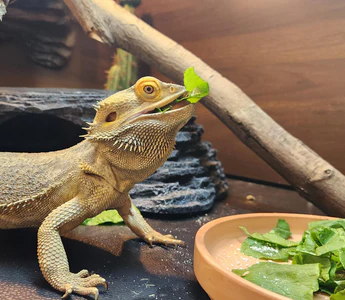
How often do bearded dragons need greens? The No‑Nonsense Feeding Schedule Every Keeper Must Know
By the Sublime Reptiles Team
Picture this. You just brought home a gorgeous baby bearded dragon from Sublime Reptiles. You’ve got the enclosure dialed in, the basking lamp is glowing, and you’re holding a bowl of fresh collard greens. Your little dinosaur waddles over, gives the greens a suspicious side‑eye, and then… walks right past them to stare at the empty spot where the crickets usually appear.
If that scene makes you want to pull your hair out, trust me — I’ve been there. More times than I can count. And I’ve got news for you: that tiny, scaly food critic is actually supposed to be eating a mountain of greens every single day. Miss this, and you risk a lethargic dragon with metabolic bone disease, a shortened lifespan, and a whole lot of heartache.
So, let’s cut through the noise. Here’s the definitive, energy‑packed answer straight from our breeding room to your home.
The Quick, Punchy Answer
Adult bearded dragons need fresh greens every single day. Not once a week. Not “whenever they feel like it.” Every. Single. Day. A juvenile (under a year) should have greens offered daily as well, even if they’re not finishing the bowl right away — they need to learn that greens are food, not a garnish. Babies and juveniles are heavier on the insect side, but the greens bowl is non‑negotiable. For a full‑grown adult, the ratio flips: roughly 80% greens and vegetables, 20% live insects.
Skip a day here and there, and you’re not just being lazy — you’re actively shortening your dragon’s life. Harsh? Maybe. True? Absolutely.
Why This Matters More Than You Think (The Scary Part)
In the wild, bearded dragons eat a huge variety of plant matter. Leaves, flowers, the occasional fallen fruit. Their bodies are built to process massive amounts of fiber, vitamins, and hydration from greens. When a captive dragon misses out on that, bad things happen fast: gout, kidney failure, severe metabolic bone disease (MBD) from calcium deficiency, and obesity from too many fatty insects. I’ve seen dragons at four years old that couldn’t walk because their owners fed them nothing but superworms and the occasional piece of lettuce. It’s devastating — and completely preventable.
At Sublime Reptiles, we start our hatchlings on finely chopped greens within days of absorbing their yolk sac. That’s why our babies thrive and why we offer a full care guide with every dragon we sell. You get the animal, you get the knowledge, and you get a direct line to us if you ever have a question.
The Exact Greens Schedule by Age (Print This and Tape It to Your Enclosure)
Hatchlings (0‑3 Months)
- Greens: Offer a small, finely chopped salad every day first thing in the morning. They may only nibble, but the exposure is crucial.
- Insects: 2‑3 times a day, as many as they’ll eat in 10‑15 minutes (pinhead crickets, tiny dubia roaches).
- Ratio: ~20% greens, 80% insects while they’re in rapid growth.
- Supplements: Calcium with D3 on one insect feeding per day, multivitamin once a week.
Juveniles (3‑12 Months)
- Greens: Daily salad, slightly larger pieces. They’ll start eating more as they grow.
- Insects: 2 feedings per day, appropriately sized (crickets, dubia, black soldier fly larvae).
- Ratio: 30% greens, 70% insects.
- Pro tip: If your juvenile ignores greens, try hand‑feeding a leaf first thing in the morning when they’re hungry. I’ve won over many a picky eater with a well‑timed dandelion leaf dance.
Sub‑adults (12‑18 Months)
- Greens: Daily salad, now making up about half their intake.
- Insects: 1 feeding per day, gradually reducing quantity as they approach adulthood.
- Ratio: 50% greens, 50% insects.
Adults (18+ Months)
- Greens: Every single day. A bowl roughly the size of their head, packed with variety. I put the salad in first thing in the morning so it’s there when they wake up.
- Insects: 2‑3 times per week, not per day. I usually do Monday, Wednesday, Friday — a few dubia roaches or crickets per session.
- Ratio: 80% greens, 20% insects. This is the sweet spot for a healthy, long‑lived adult.
- Supplements: Plain calcium (no D3 if you’re using good UVB) on insects, multivitamin once a week.
What Greens Actually Belong in That Bowl? (Not Iceberg Lettuce!)
I’ve seen owners proudly show me a bowl of iceberg lettuce. Stop. Iceberg is crunchy water with zero nutrition. Your dragon needs dark, leafy, calcium‑rich greens. Here’s our go‑to list at Sublime Reptiles:
- Staples (every day, 70% of the salad): Collard greens, mustard greens, turnip greens, dandelion greens, endive, escarole, bok choy.
- Mix‑ins (2‑3 times a week, 20% of the salad): Butternut squash (shredded), bell peppers (finely chopped), green beans, snap peas, cactus pad.
- Occasional treats (once a week, 10% or less): Blueberries, raspberries, mango, papaya. Fruit is candy for dragons — don’t overdo it.
- Never feed: Avocado (toxic), onions, garlic, rhubarb, and yes, iceberg lettuce.
I chop everything into bite‑sized pieces for babies and leave it chunkier for adults. Sprinkle the salad with a little water to keep it fresh under the heat lamp, and remove it after a few hours to prevent wilting and bacteria.
Real‑World Troubleshooting: When Your Dragon Refuses Greens
This is the most common frustration I hear from new owners. “He just won’t eat his salad!” Don’t panic. Here’s the playbook I’ve used with hundreds of stubborn dragons:
- Early bird gets the worm — or the leaf. Offer greens first thing in the morning before any insects. A hungry dragon is more likely to investigate.
- Wiggle it. Use your fingers to move a leaf like it’s alive. The movement triggers a feeding response. I’ve made a fool of myself doing this, but it works.
- Top it with something moving. Drop a few small dubia roaches or black soldier fly larvae on top of the salad bowl. The dragon will go for the bugs and inevitably grab some greens in the process. They figure out quickly that greens taste good.
- Add colour. Red bell pepper, grated butternut squash, or a few raspberries can make the salad visually appealing. Bearded dragons have excellent colour vision and are drawn to bright things.
- Try bee pollen. A light dusting of bee pollen powder over the greens is like magic for many dragons. It’s sweet, aromatic, and packed with nutrients.
- Don’t cave. If you offer insects every time he refuses salad, you’re training him to hold out for junk food. A healthy adult can go several days without insects while he figures out that greens are the main event.
A Day in the Life of a Well‑Fed Sublime Dragon
Here’s a peek at how we do things in our own facility. Every morning, around 7 AM, the lights come on. By 7:30, our team is placing fresh, chopped salad in every adult dragon enclosure. The salad has three different greens, a bit of squash, and a light misting of water. At 4 PM, the insects come out — a few dubia roaches or crickets, dusted with calcium. The salad bowl comes out at night to keep the enclosure clean.
On Fridays, we offer a “treat salad” with a couple of blueberries or a slice of mango. On Sundays, we do a full enclosure clean and a warm soak. That rhythm keeps our dragons vibrant, active, and healthy enough to produce the beautiful babies you see on our site.
You can replicate this exact routine at home. It doesn’t require expensive equipment — just consistency and the right greens. And if you need a starter kit, from UVB lighting to supplement bundles, we’ve got you covered at sublimereptilesforsale.com.
FAQ: Your Greens Questions, Answered with Energy
Q: Can I feed my bearded dragon just insects?
A: Absolutely not. That’s like feeding a human nothing but cheeseburgers. A protein‑only diet leads to obesity, fatty liver disease, and a short, painful life. Greens are non‑negotiable.
Q: How do I know if my dragon is getting enough greens?
A: Look at their poop. A well‑hydrated, greens‑eating dragon produces dark, formed stool with a white urate. Dry, hard, or infrequent poop is a warning sign. Also, watch their energy level — a greens‑rich dragon is active and alert.
Q: Do baby bearded dragons need greens?
A: Yes! Even if they only take a few bites, the habit starts young. I start offering finely minced greens to our hatchlings from the very first week. It sets them up for a lifetime of good eating.
Q: Can I use dried greens or pellets instead of fresh?
A: No. Fresh, live greens provide hydration, texture, and nutrients that dried products can’t match. Pellets can be a small part of the diet but never a replacement for the real thing.
Q: How long can a beardie go without greens before it’s a problem?
A: A healthy adult can skip a day or two without harm, but going weeks without greens will start to show — weight loss, lethargy, muscle twitching. If your dragon refuses greens for more than a week, it’s time to troubleshoot and possibly see a vet.
Q: Where can I get high‑quality bearded dragon supplies and healthy dragons?
A: Right here at Sublime Reptiles. We breed the healthiest bearded dragons you’ll find, and we stock all the greens supplements, UVB kits, and enclosure goodies you need to keep them thriving. Visit sublimereptilesforsale.com and let’s build that perfect setup together.
The Bottom Line: Make Greens a Non‑Negotiable
Look, I know life gets busy. You forget to hit the grocery store, you run out of collard greens, and you think, “One more day of just roaches won’t hurt.” But those “one more days” add up. The single best thing you can do for your bearded dragon — the thing that will extend its life, boost its energy, and make those colours pop — is to put a fresh, varied salad in its enclosure every single morning. No excuses.
Start today. Grab some mustard greens, grate a little squash, and sprinkle on some bee pollen if you’ve got it. Watch your dragon discover it. And if you need a partner in this journey, you know where to find us.
At Sublime Reptiles, we don’t just sell animals. We build keepers who do it right. Join us at sublimereptilesforsale.com and let’s raise the standard for bearded dragon care — one salad bowl at a time.