Mourning Gecko: The Complete Care, Breeding & Setup Guide from a Keeper
By the sublime Reptiles Team
The first time someone told me about a lizard that reproduces without males, I laughed. “So every single one is female, and they just… clone themselves?” The breeder nodded. I stared at the tiny gecko in its enclosure—maybe three inches long, huge dark eyes, a delicate stripe down its back—and felt like I’d stumbled into a sci‑fi novel. That was my introduction to the mourning gecko. And honestly? I’ve been hooked ever since.
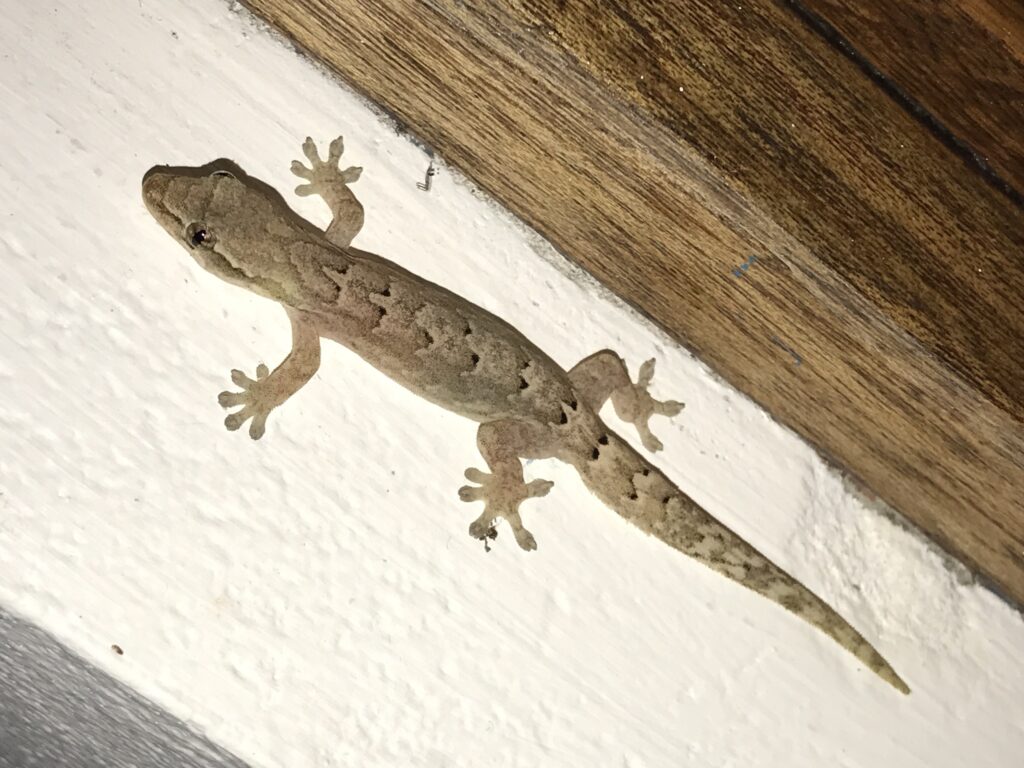
The mourning gecko (Lepidodactylus lugubris) isn’t flashy like a crested gecko, and you can’t really handle it like a bearded dragon. But what it lacks in size and traditional pet appeal, it makes up for in pure biological weirdness. These are the only geckos that consistently reproduce through parthenogenesis—no males needed. Every single mourning gecko is female. A single gecko can start an entire colony, and a small group will flood your terrarium with tiny clones in no time.
If you want a pet you can cuddle, this isn’t it. Mourning geckos are fast, skittish, and best enjoyed as a display animal. But if you’re into bioactive vivariums, self‑sustaining colonies, and the quiet charm of a chirping, climbing, all‑female lizard society, you’ve found your match.
I’ve kept a thriving colony for years now, and in this guide I’ll share everything I’ve learned—from setting up the perfect enclosure to managing eggs (spoiler: you’ll get a lot) and keeping your little ladies happy and healthy.
Why the Mourning Gecko Is So Fascinating
Let’s get the obvious out of the way: a mourning gecko is not a showpiece. It’s a small, brownish, cryptic lizard. But watch a group for ten minutes and you’ll understand the addiction.
The All‑Female Clone Army
Every mourning gecko is female. They reproduce by parthenogenesis—laying fertile eggs without mating. The babies are essentially genetic copies of their mother (with minor variations). In captivity, this means a single gecko can lay eggs every 4–6 weeks, and you’ll never need a male. I started with three. A year later, I had over twenty. It’s that easy.
Social, Vocal, and Full of Personality
Unlike many geckos that are territorial and solitary, mourning geckos genuinely seem to enjoy company. They bask together, hunt together, and communicate with soft chirps and clicks. Yes, they’re vocal—you’ll hear them at night, especially when there’s food or a new egg‑laying spot. It’s a subtle but constant background music that makes a bioactive setup feel alive.
Tiny but Mighty
Adults reach only 3.5–4.5 inches total length. A 12″x12″x18″ enclosure can comfortably house a small group, and an 18″x18″x24″ can support a bustling colony. Their small size means you can create a lush, layered terrarium without worrying about a giant lizard trampling your plants.
Is a Mourning Gecko Right for You?
I’ll be honest: mourning geckos aren’t for everyone.
You’ll love them if:
- You enjoy building and maintaining bioactive, naturalistic vivariums.
- You prefer observing natural behaviors over handling.
- You’re fascinated by parthenogenesis and unique biology.
- You don’t mind (or actively want) a self‑sustaining colony that grows steadily.
You might want to skip them if:
- You want a pet you can handle regularly.
- You’re not prepared for daily misting and monitoring of humidity.
- You dislike the idea of frequent eggs and baby geckos (they can be rehomed, but you’ll need a plan).
- You’re on a very tight budget—while the geckos themselves are inexpensive ($20–$50), a proper misting system and quality lighting are not.
Where to Get a Healthy Mourning Gecko
Always buy captive‑bred. Wild‑caught mourning geckos are rare in the trade, but it’s worth confirming. I get mine from reputable breeders on MorphMarket or at expos. Look for animals that are alert, with clear eyes, smooth skin, and all toes intact (missing toe pads can indicate shedding issues).
Red Flags:
- Stuck shed on toes or tail
- Sunken eyes or visible hip bones
- Lethargy—healthy mourning geckos bolt when disturbed
- Enclosure with dead geckos or poor hygiene
Setting Up the Perfect Mourning Gecko Enclosure
This is my favorite part. A mourning gecko enclosure should feel like a slice of tropical forest.
Enclosure Size
| Group Size | Minimum Enclosure | Ideal |
|---|---|---|
| 1–3 geckos | 12″x12″x18″ | 18″x18″x24″ |
| 4–8 geckos | 18″x18″x24″ | 24″x18″x24″ |
| 8+ (large colony) | 24″x18″x24″ | 36″x18″x36″ or larger |
Height is everything—these are arboreal geckos that will use every inch of vertical space.
Substrate & Drainage
I use a full bioactive base: a drainage layer of clay balls, a mesh separator, and a mix of organic topsoil, coco coir, and sand. This supports live plants and holds humidity beautifully. For quarantine or hatchling bins, paper towels work fine but lack the long‑term moisture buffer.
Decor and Hides
Mourning geckos need security. I pack the enclosure with cork bark tubes, bamboo sections, and dense foliage (live pothos, snake plants, bromeliads). They especially love narrow cork rounds for hiding and—importantly—egg‑laying. I place several cork tubes angled slightly upward; they’ll glue their eggs to the inner walls.
Heating, Lighting & UVB
- Basking spot: 82–85°F (28–29°C) using a low‑wattage halogen or deep heat projector on a thermostat.
- Ambient temps: 75–80°F (24–27°C) during the day, dropping to 68–72°F (20–22°C) at night.
- UVB: Not mandatory but highly beneficial. I provide a 2.4% or 5% T5 tube (e.g., Arcadia ShadeDweller) in a reflector fixture. It brings out their activity and supports calcium metabolism.
Humidity and Misting
This is the one non‑negotiable. Mourning geckos need 60–70% humidity during the day and 70–80% at night. I mist twice daily for 30–60 seconds each. For a single enclosure, a hand mister works, but once you have multiple cages, invest in an automatic misting system (like MistKing). It’s a game‑changer. They drink water droplets from leaves, so you rarely need a water bowl—though I keep a small, shallow dish as a backup.
Feeding Your Mourning Gecko Colony
A varied diet keeps them healthy and breeding.
Staple: Crested Gecko Diet (CGD)
I offer a small dish of Pangea Watermelon or Repashy Grubs ’n Fruit every other day. Replace it within 48 hours to prevent mold. They lick it up readily, especially at night.
Live Insects
2–3 times a week, I dust fruit flies or pinhead crickets with calcium (without D3) and release them into the enclosure. The geckos hunt with surprising ferocity. For adults, use Drosophila hydei; for babies, D. melanogaster. I also culture rice flour beetles as a treat—they’re soft‑bodied and easy to digest.
Supplements
- Calcium without D3: Every insect feeding (essential for egg‑laying females).
- Calcium with D3: Once weekly if you don’t use UVB.
- Multivitamin: Light dusting every 2–3 feedings.
Can You Handle a Mourning Gecko?
Short answer: no, and you shouldn’t try. These geckos are lightning fast and incredibly delicate. A startled mourning gecko will drop its tail, and while it regrows, the experience stresses them. They simply don’t enjoy human contact. I interact with my colony through the glass and during feeding, and that’s enough.
If you absolutely must move one (for enclosure cleaning or health checks), gently coax it into a clear deli cup or container. Never grab.
Breeding Mourning Geckos: It Just Happens
You don’t breed mourning geckos—they breed themselves. A healthy female will lay a pair of eggs every 4–6 weeks, gluing them into cork tubes, bamboo, or even on the glass. Incubation is 60–90 days at room temperature (72–78°F). Hatchlings emerge as perfect miniature adults, about an inch long.
Managing the Egg Explosion
- Leave eggs in place if you want the colony to grow. Adults rarely eat babies, though it can happen in very crowded setups.
- Remove eggs by carefully detaching them (they’re hard‑shelled) and incubating in a small container with moist perlite or vermiculite. This gives you control if you plan to sell or rehome.
- Babies eat the same diet as adults, just smaller prey. They’ll thrive in the main enclosure as long as there’s plenty of cover.
I usually let a few eggs stay and remove the rest, keeping the colony around 10–15 adults in an 18x18x24. It’s a manageable size that doesn’t overwhelm the habitat.
Common Health Issues and How to Avoid Them
Mourning geckos are hardy, but here’s what I watch for:
- Metabolic Bone Disease (MBD): Soft jaw, bent limbs. Prevent with calcium supplementation and UVB.
- Dehydration: Sunken eyes, stuck shed. Fix: increase misting and check humidity.
- Egg Binding: A female straining, lethargic. Ensure proper calcium and a secluded egg‑laying site. Seek vet help if needed.
- Parasites: Weight loss, poor appetite. Quarantine new arrivals for 60 days.
- Stuck Shed: Retained skin on toes can constrict and cause loss of the digit. Boost humidity and provide a humid hide (moss‑filled cork tube).
I do a quick colony check daily—just observing activity and appearance—and a deeper inspection once a week when I wipe down the glass and change food dishes.
Frequently Asked Questions
Q: Do mourning geckos really not need a male?
A: Correct. They are parthenogenic; every gecko is female and lays fertile eggs without mating.
Q: How many mourning geckos can live together?
A: 3–5 in a 12x12x18, up to 12 in an 18x18x24. Watch for overcrowding; if geckos hide constantly or food competition increases, upgrade the enclosure or split the group.
Q: Can I handle a mourning gecko?
A: Not recommended. They’re extremely fast and stress easily. Enjoy them as a display animal.
Q: What do mourning geckos eat?
A: Commercial crested gecko diet (CGD) every other day, and live fruit flies or pinhead crickets 2–3 times a week.
Q: How big do they get?
A: 3.5–4.5 inches total length, tail included.
Q: How long do they live?
A: Typically 5–10 years in captivity with good care.
Q: Do mourning geckos need UVB?
A: Not essential, but low‑level UVB (2.4–5%) is beneficial and I recommend it.
Q: What humidity do they need?
A: 60–70% daytime, 70–80% at night. Mist 1–2 times daily.
Q: Why is my mourning gecko chirping?
A: It’s normal—they communicate through clicks and chirps, especially at night.
Q: How often do they lay eggs?
A: Every 4–6 weeks, usually two eggs per clutch. You’ll have a steady supply of babies.
Q: Can I leave eggs in the enclosure?
A: Yes, adults rarely eat hatchlings. Just ensure there’s enough space and cover.
Final Thoughts from Sublime Reptiles
The mourning gecko is a tiny marvel. It won’t sit on your shoulder or come when called, but it will transform a corner of your home into a living, self‑renewing ecosystem. Watching a colony go about their nightly business—chirping, hunting, laying eggs—is a quiet joy that never gets old. If you love bioactive setups and the strange beauty of nature, these geckos belong in your collection.
Just be ready for the eggs. So many eggs.
If you’re thinking about starting a mourning gecko colony, or need advice on enclosures and supplies, reach out to us at sublime Reptiles. We’ve helped a lot of keepers get their first group established, and we’re happy to talk geckos anytime.
Quick Reference Care Sheet
| Parameter | Ideal Range |
|---|---|
| Adult Size | 3.5–4.5 inches |
| Lifespan | 5–10 years |
| Enclosure (small group) | 12x12x18″ minimum |
| Enclosure (colony) | 18x18x24″ or larger |
| Basking Temperature | 82–85°F |
| Ambient Temperature | 75–80°F (day), 68–72°F (night) |
| Humidity | 60–80% (misting 1–2x daily) |
| Diet | CGD every other day + live insects 2–3x/week |
| Supplements | Calcium without D3, multivitamin, occasional D3 |
| Breeding | Parthenogenic, eggs every 4–6 weeks |
| Handling | Not recommended |
Want to start your own mourning gecko colony? Browse our available geckos and supplies at sublimereptilesforsale.com or contact us for personalized setup advice.