Crested Gecko Care: The Ultimate Guide for New and Experienced Owners in 2026
When you think of unique pets, crested geckos (Correlophus ciliatus) undoubtedly top the list. These charming reptiles boast striking patterns—from flame and harlequin to tiger and dalmatian—a dazzling variety of colors, and an engaging personality that captures the hearts of many animal lovers. Once thought extinct until their rediscovery in 1994, crested geckos have become one of the most popular pet reptiles worldwide. But owning a crested gecko isn’t just about their adorable appearance, complete with eyelash-like projections and a prehensile tail. It requires a dedicated, informed approach to care to ensure they thrive and live long, happy lives.
As someone who has enjoyed the companionship of these delightful creatures for years, I’ve seen firsthand how the right information and support can make all the difference in your crested gecko’s health and happiness. From avoiding metabolic bone disease to creating the perfect vertical jungle, small decisions have big impacts. With the growing popularity of crested geckos, many potential owners are searching for “crested gecko for sale,” often feeling overwhelmed at the vast array of choices available—morphs, ages, breeders, and prices. That’s where this guide comes in.
This comprehensive article will delve into all aspects of crested gecko care—addressing their nutritional needs, habitat setup, social behavior, and potential health issues. Whether you’re a first-time owner thrilled by the prospect of adding a crested gecko to your family or a seasoned keeper looking to deepen your knowledge, this guide has something for everyone. Let’s embark on this enlightening journey together!
Why Proper Crested Gecko Care Matters for Longevity and Health
Understanding why proper crested gecko care is vital can elevate your pet’s quality of life tremendously. These animals are not “low-maintenance” in the sense of neglect; they are low-maintenance relative to dogs or cats, but they still demand precision.
Importance of Longevity
Crested geckos in captivity can live up to 15–20 years with the right care—some exceptional individuals have even reached 25 years. Here are some crucial aspects to consider:
-
Health: Proper diet and environment contribute significantly to your crested gecko’s overall well-being. Poor husbandry leads to floppy tail syndrome, stuck sheds, and mouth rot.
-
Behavior: Well-cared-for geckos are often more active at night (crepuscular) and exhibit better feeding responses, enhancing your bond with them. A stressed gecko may drop its tail (though it won’t regrow like other lizards), so a calm environment is essential.
Happiness and Stress Reduction
Stress can lead to adverse health effects in crested geckos, including loss of appetite, weight loss, and increased susceptibility to infection. Maintaining a serene environment with proper hiding spots, consistent day/night cycles, and minimal loud noises is key. Regular, gentle handling fosters trust and comfort, allowing your gecko to flourish. Remember: a happy gecko is a visible gecko, often sleeping out in the open rather than hiding constantly.
Choosing the Right Crested Gecko for Sale: What to Look For
Selecting a healthy crested gecko is the first and most critical step to successful ownership. To ensure you’re making the right choice, keep these factors in mind:
Appearance and Health Checks
-
Skin Quality: Look for smooth, intact skin without lesions, discoloration, or stuck shed (especially on toes and tail tip).
-
Eyes: Clear, bright, and alert eyes are crucial. Sunken eyes can indicate dehydration.
-
Activity Level: A lively gecko that jumps, climbs, and responds to movement is generally a healthy one. Avoid lethargic individuals.
-
Weight: A healthy crested gecko should have a full body condition—not bony, but not obese (look for fat pads in the armpits).
-
Tail: While many crested geckos live perfectly well without tails (frog-butts), a tail with no kinks or damage is ideal if intact.
Breeder Reputation
-
Buy from reputable breeders or pet shops that prioritize ethical practices, genetic diversity, and animal welfare. Avoid large chain stores with poor track records.
-
Ask for feeding records: a good breeder will tell you whether the gecko eats Pangea, Repashy, or live insects.
-
Request photos of the parents to understand potential adult coloration and size.
Age Considerations
-
Hatchlings (0–3 months): Delicate but adaptable. Best for experienced keepers.
-
Juveniles (3–12 months): A sweet spot for beginners—hardier but still growing.
-
Adults (12+ months): Most forgiving of minor care errors. Best for families with children.
Setting Up the Perfect Enclosure
Creating the ideal habitat is essential for your crested gecko’s comfort and health. Because crested geckos are arboreal (tree-dwelling), height matters far more than floor space.
Tank Size
-
Minimum Size for One Adult: An 18″x18″x24″ (20-gallon vertical) tank is generally suitable for adults. Larger is always better—24″x18″x36″ is excellent.
-
Vertical Space: Crested geckos thrive in a taller setup due to their arboreal nature. They rarely spend time on the ground.
-
Hatchlings/Juveniles: Start with a smaller enclosure (12″x12″x18″) so they can easily find food, then upgrade as they grow.
Substrate
-
Recommended Options:
-
Coconut fiber (Eco Earth): Retains humidity well and is natural-looking.
-
Paper towels: The gold standard for quarantine and juveniles—easy to monitor feces and cleanliness.
-
Bioactive setups: A soil/sand/leaf litter mix with springtails and isopods for self-cleaning. Best for advanced keepers.
-
-
AVOID: Sand, walnut shell, wood chips, or any loose substrate that could cause impaction if swallowed.
Plants & Décor
Include hiding spots and climbing structures with:
-
Live Plants: Ferns, pothos, snake plants, and bromeliads enhance humidity, provide cover, and look beautiful. Ensure they are pesticide-free.
-
Artificial Plants & Vines: Safe, reusable, and easy to clean.
-
Branches and Cork Bark: Offer climbing options that mimic their natural habitat. Use horizontal and diagonal branches at various heights.
-
Hides: Include at least 2–3 hiding spots (coconut huts, cork rounds, magnetic ledges) at different elevations.
Lighting & Heating
While crested geckos don’t require UVB lighting to survive (they can synthesize vitamin D3 from dietary supplements), recent studies show they benefit greatly from low-level UVB (2–5%) for improved activity, better coloring, and natural behavior. Provide a light cycle that mimics day and night: 12 hours on, 12 hours off.
-
Heating: Use a low-wattage ceramic heat emitter or under-tank heater on a thermostat. Never use “hot rocks.”
-
Temperature Gradient: Aim for a warm side (top of enclosure) at 78–82°F and a cool side (bottom) at 72–75°F.
-
Thermometers and Hygrometers: Digital ones are essential to monitor temperature (accuracy within 1°F) and humidity (accuracy within 5%). Place one probe at the top and one at the bottom.
Temperature, Humidity & Environmental Controls
Creating the perfect environment involves balancing temperature and humidity, which can vary by season and your home’s climate.
Ideal Ranges
-
Temperature: Daytime temperatures of 75–82°F; nighttime can safely drop to 65–70°F. Prolonged temps above 85°F can be fatal; below 60°F slows digestion.
-
Humidity: Maintain levels between 50–70% during the day, with a spike to 80–100% at night after misting. A humidifier or regular misting (1–2 times daily) helps achieve this.
Monitoring Tools
Using digital thermometers and hygrometers ensures that your setup remains at optimal conditions throughout the seasons. Consider a programmable thermostat that automatically adjusts heat sources.
Misting and Hydration
-
Mist the enclosure heavily each evening to create water droplets on leaves—crested geckos drink from droplets, not bowls (though shallow bowls are fine).
-
Use reverse-osmosis or dechlorinated water to avoid hard water stains.
-
Allow the enclosure to partially dry out between mistings to prevent mold and bacterial growth.
Diet and Feeding Schedule for Optimal Nutrition
Crested geckos are omnivores, leaning toward frugivores (fruit-eaters) in the wild, but they also consume insects. A balanced diet is non-negotiable.
Feeding Schedule by Age
-
Hatchlings (up to 6 months): Feed every day. Offer fresh food in a shallow dish.
-
Juveniles (6 months – 1 year): Every other day.
-
Adults (1+ year): 2–3 times a week.
Best Foods
-
Commercial Diets (CGD): Repashy (original or mango superblend) and Pangea (watermelon, fig & insect, apricot) offer complete, balanced nutrition. These should make up 80–90% of the diet.
-
Live Insects: Offer gut-loaded crickets or dubia roaches once a week. Dust insects with calcium + vitamin D3 powder before feeding.
-
Fresh Fruit (occasional treat): Mashed banana, papaya, mango, or figs. Serve no more than once every two weeks due to sugar content.
-
Supplements: Even with CGD, light dusting of insects is wise. Never use calcium without D3 exclusively if no UVB is provided.
Foods to Avoid
-
Citrus fruits (high acid)
-
Avocado (toxic to reptiles)
-
Baby food (contains preservatives and sugar)
-
Wild-caught insects (risk of pesticides or parasites)
Handling, Temperament & Enrichment
Crested geckos are generally docile and curious, but they require proper handling to build trust. Unlike bearded dragons, they rarely seek out human interaction but can become very tolerant.
Best Practices for Handling
-
Wait at least 2–3 weeks after bringing your gecko home before attempting to handle.
-
Always approach gently from the side, never from above (predator instinct).
-
Let them walk onto your hand rather than grabbing them.
-
Support their full body, including feet, to prevent jumping panic.
-
Start with 5-minute sessions, gradually increasing to 10–15 minutes.
-
Never handle a gecko that is in shed or has just eaten a large meal.
Enrichment Ideas
-
Rotate toys and decorations every few weeks to keep your gecko’s environment stimulating.
-
Provide different textured climbing surfaces (cork, bamboo, rope bridges).
-
Offer a “hunting” experience by placing live insects in a escape-proof bowl or letting them chase a few crickets.
-
Change the location of food dishes occasionally to encourage exploration.
Common Crested Gecko Health Issues and Prevention
Routine observation can help catch potential health problems early. Here are some common issues with detailed prevention strategies:
Health Issues
-
Metabolic Bone Disease (MBD): Due to inadequate calcium or D3. Signs: rubbery jaw, tremors, bent limbs, difficulty climbing. Prevent by ensuring proper diet (CGD + dusted insects) and optional UVB.
-
Floppy Tail Syndrome (FTS): Usually caused by insufficient horizontal resting surfaces or genetics. The tail droops backward, causing spinal strain. Prevent with multiple horizontal perches.
-
Stuck Shed (Dysecdysis): Common on toes and tail tip. Caused by low humidity. Treat with a shallow lukewarm bath (5 minutes) and gentle rubbing with a moist Q-tip.
-
Parasites (Cryptosporidium, coccidia): Causes weight loss, lethargy, regurgitation. Regular vet check-ups with fecal exams can diagnose and treat these effectively. Quarantine new geckos for 90 days.
-
Mouth Rot (Stomatitis): Yellow cheesy buildup around mouth. Caused by stress or injury. Requires veterinary antibiotics.
Preventative Measures
-
Maintain good hygiene: spot-clean daily, deep-clean monthly with reptile-safe disinfectant (e.g., F10).
-
Weigh your gecko weekly with a digital kitchen scale. A sudden drop of 10% or more warrants a vet visit.
-
Keep a care journal: track feeding, shedding, weight, and behavior.
Breeding Basics and Advanced Care
For those interested in breeding, here are foundational tips. Breeding is rewarding but doubles your responsibility.
Breeding Requirements
-
Ensure both geckos are healthy, at least 18 months old, and weigh 35+ grams (females need weight reserves for egg production).
-
Construct a separate breeding tank or introduce the male to the female’s enclosure for 3–5 days, then remove him to reduce stress.
-
Provide a lay box with moist sphagnum moss for egg deposition.
-
Females lay two eggs every 30–45 days, up to 8–10 clutches per year.
-
Incubate eggs at 72–75°F in sealed containers with vermiculite. Temperature does not determine sex in crested geckos (unlike many reptiles).
-
Hatch time: 60–120 days depending on temperature.
Advanced Care
Breeding can be a rewarding experience, but it requires significant commitment to ensure offspring are healthy. Hatchlings are tiny (1–2 grams) and need daily misting, finely ground CGD, and a separate small enclosure.
Related Species Integration
Many keepers who master crested gecko care eventually become interested in other stunning New Caledonian geckos. Here are a few to consider:
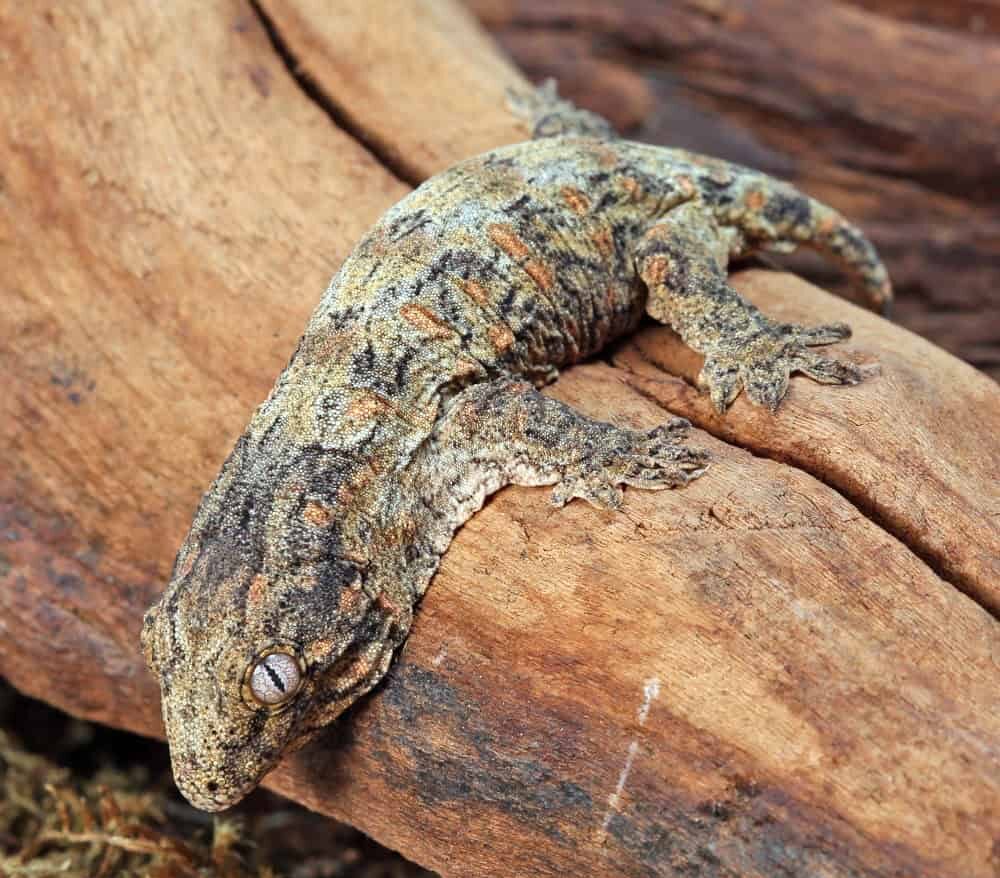
Different Types of Leachianus Geckos (Rhacodactylus leachianus)
Leachianus geckos (also called “Leachies”) are the largest geckos in the world, reaching 12–17 inches and 200–400 grams. They share humidity and temperature needs with crested geckos but require:
-
Much larger enclosures (24″x24″x36″ minimum)
-
Stronger branches to support their weight
-
Higher protein content in their diet
-
More careful handling (they have strong bites)
-
Dark Morph Leachianus Gecko for Sale: Larger and offers a unique, nearly black appearance. Often from the Grand Terre locale. Very expensive but impressive.
-
High Pink Leachianus Gecko for Sale: Stunning pinkish-red coloration and active personality. From the Pine Island or Moro locale. Highly sought-after.
-
Leachianus Gecko for Sale: Another excellent choice for experienced keepers. Note that they are more expensive and harder to find than crested geckos.
While they share some similarities in care, it’s essential to get familiar with their specific needs as they differ significantly from crested geckos—especially regarding humidity cycles, handling tolerance, and aggression toward tank mates (Leachies must be housed alone as adults).
Upgrading Your Setup as Your Gecko Grows
As your crested gecko matures, you may need to upgrade its environment and care routine:
-
Larger Enclosures: A hatchling in a 12x12x18 will need an 18x18x24 by 12 months, and potentially a 24x18x36 by 24 months if very active.
-
Diet Adjustments: Hatchlings need daily feeding; adults need only 2–3 times weekly. Increase insect frequency during breeding season.
-
Furniture Changes: Replace flimsy vines with sturdy branches as your gecko gains weight (adults can reach 50–70 grams).
-
Behavioral Maturity: Juvenile geckos may be flighty; adults often calm down and become more handleable.
FAQ Section
What is the best temperature for crested gecko care?
Crested geckos thrive at daytime temperatures between 75°F and 82°F, with a nighttime drop to 65–70°F. Never exceed 85°F.
How do I know if my crested gecko for sale is healthy?
Look for clear eyes, smooth skin without stuck shed, an active and alert demeanor, a proper weight (not bony), and a clean vent area. Ask the breeder for feeding and shedding history.
How does crested gecko care compare to Leachianus geckos?
Crested and Leachianus geckos share similar habitat preferences (humidity 60–80%, temps 72–78°F), but Leachianus geckos generally require more space (2–3x larger enclosure), stronger branches, a higher-protein diet, and are more aggressive toward handling and tank mates.
Is it safe to handle my crested gecko?
Yes, but it should be done carefully, gently, and respectfully. Start with short sessions, support the full body, and never grab the tail. Always wash hands before and after.
What should I feed my crested gecko?
A base diet of commercial crested gecko diet (CGD) like Pangea or Repashy, supplemented with gut-loaded, calcium-dusted insects (crickets, dubia roaches) once weekly, and an occasional fruit puree (banana, papaya, mango) as a treat.
How often should I clean my gecko’s habitat?
Spot-clean daily (remove feces, shed skin, uneaten food). Deep-clean monthly: replace substrate, disinfect branches and decorations with reptile-safe cleaner, and clean glass with water and vinegar.
Can I keep multiple crested geckos together?
Males should generally be housed separately to avoid aggression (they will fight to the death). Females can sometimes be housed together if the enclosure is very large (minimum 40 gallons vertical) and they are similar in size. Never house a male with a female unless intentionally breeding, as constant mating stresses the female.
How long do crested geckos live?
With proper care, they can live between 10 to 20 years. The current captive longevity record is over 25 years.
Do crested geckos need UVB lighting?
No, they can survive without it if given dietary vitamin D3. However, modern research recommends low-level UVB (2–5%) for better long-term health, coloration, and natural behavior.
Why won’t my crested gecko eat?
Possible reasons: stress (new environment), incorrect temperature (too cold), shedding (they often fast for 1–2 days), impaction, or illness. Try hand-feeding a small amount of CGD on a stick. If no eating after 7–10 days, consult a reptile vet.
Conclusion
In conclusion, understanding crested gecko care is more than just feeding and cleaning—it’s about building a bond, providing a stimulating vertical environment, and ensuring your pet’s health and happiness through meticulous attention to temperature, humidity, and nutrition. Proper care will lead to a fulfilled pet, one that can brighten your life with its charisma, gentle antics, and surprising longevity of up to two decades.
If you’re ready to welcome a crested gecko into your home, do so from a responsible source that prioritizes animal welfare. Seek out reputable breeders or specialized pet shops that can provide lineage and health records, ensuring that your new companion comes from ethical practices. Avoid impulse buys from reptile expos or online marketplaces without verifying the seller’s reputation.
Additionally, exploring related species like the Dark Morph Leachianus Gecko for Sale could open up new adventures in your reptile-keeping journey once you have 2–3 years of experience with crested geckos. Leachies are often called “crested geckos on steroids”—magnificent but demanding.
Mastering crested gecko care starts with commitment, knowledge, and a genuine passion for these captivating creatures. Whether you’re a beginner setting up your first bioactive terrarium or an experienced keeper adding a rare harlequin morph to your collection, every step you take toward better care enriches both your life and that of your gecko. Take the next step today: join online forums (e.g., ReptileAdvice, GeckoForums), buy a digital hygrometer, or schedule your gecko’s first wellness exam. Your journey into the world of responsible crested gecko care starts now!