Red Bearded Dragon: The Ultimate Care Guide, Morphs, Setup, and Ownership Tips in 2026
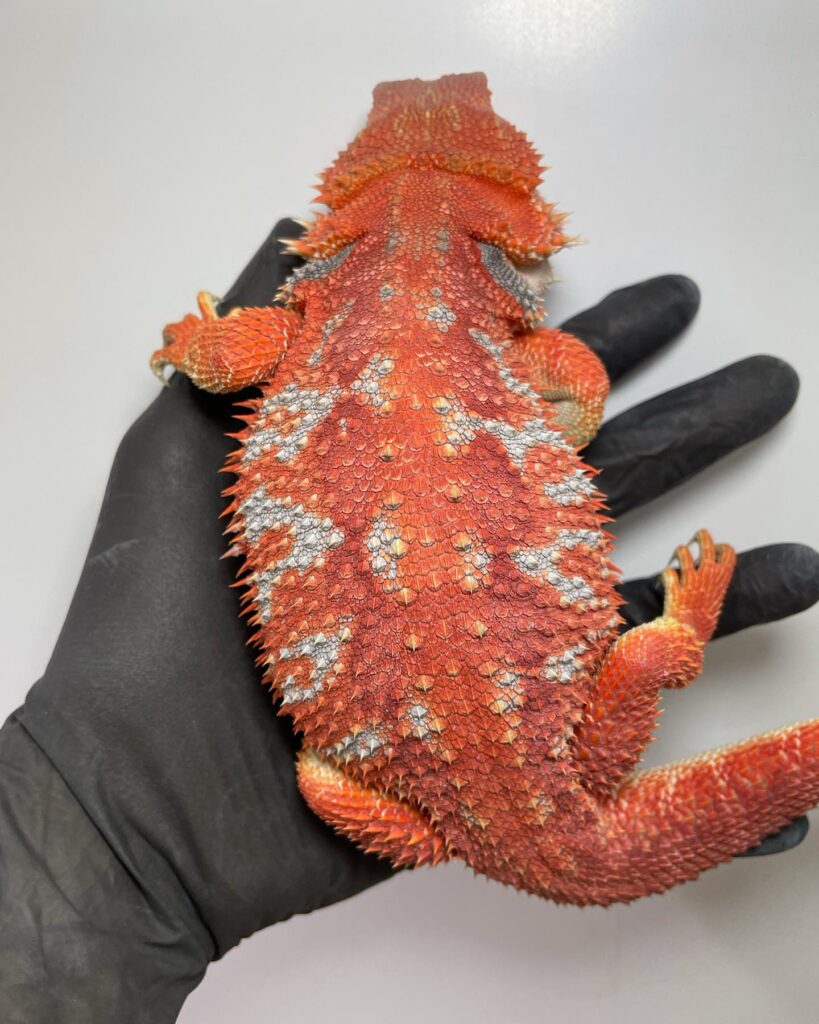
The vibrant colors and captivating personalities of red bearded dragons have made them a favorite among reptile enthusiasts worldwide. With their bold red hues—ranging from deep crimson to bright orange-red—and friendly demeanor, it’s no wonder many people are drawn to these fascinating reptiles. Whether you’re a seasoned keeper or a beginner exploring the world of these incredible lizards, understanding how to care for a red bearded dragon is essential. This guide will walk you through everything you need to know, including what to look for if you’re considering purchasing a baby bearded dragon, how to set up a proper habitat, feeding techniques, health management, and much more.
As pet owners increasingly lean toward unique and exotic pets, the search for a baby bearded dragon reflects a growing interest in reptile care that balances curiosity and responsibility. Bearded dragons are among the most popular reptiles in the world—and for good reason. They are interactive, relatively hardy, and display a range of behaviors that make them feel more like a traditional pet than many other reptiles. However, it’s crucial not only to understand the appeal of these dragons but also the commitment they require. A healthy red bearded dragon can live 10–15 years with proper care, so this is a long-term relationship.
This comprehensive guide aims to cover every key aspect of red bearded dragon care, from understanding their genetics and morphs to tackling their dietary needs, enclosure setup, and common health issues. We’ll also explore related morphs like the stunning hypo zero bearded dragon and provide tips for caring for a full grown bearded dragon.
So let’s dive into the captivating world of the red bearded dragon and explore what it takes to provide these charming reptiles with a thriving, long-term home!
Why the Red Bearded Dragon is a Favorite Among Reptile Enthusiasts
The red bearded dragon (Pogona vitticeps) stands out not just for its stunning appearance but also for its manageable temperament. They are known for being gentle and sociable, making them excellent companions for both novices and experienced reptile keepers. Unlike some reptiles that remain skittish or defensive, bearded dragons often learn to recognize their owners and may even enjoy being handled.
Key Traits of Red Bearded Dragons:
-
Vibrant Colors: The red morphs are particularly striking, offering a fabulous range of hues—from brick red to fiery orange and deep burgundy—that can brighten any room. Their colors can also shift slightly depending on temperature, mood, and health.
-
Gentle Nature: Their docile temperament makes them easy to handle and a popular choice for families with children (under supervision). They rarely bite and are known for their characteristic “arm-waving” submission display.
-
Interactive Behavior: Many owners find their red bearded dragon to have quirky personalities—head-bobbing, glass-surfing, and even seeking out attention. These behaviors create engaging pet-owner interactions that go beyond simple observation.
This combination of beauty and friendliness has increased the popularity of red bearded dragons, and many enthusiasts start their journey with a baby bearded dragon. However, owning a pet reptile is a long-term commitment that requires understanding their needs, from proper housing to diet and health management. Unlike a goldfish or even a hamster, a bearded dragon will be with you for over a decade, so planning ahead is essential.
Understanding Red Bearded Dragon Morphs and Genetics
When exploring the world of red bearded dragons, it’s essential to understand the different morphs and genetic variations. Morphs are simply variations in color, pattern, and scale structure due to selective breeding. The red morph, known for its deep coloration, is just one of many. The genetics behind these traits can be simple recessive, dominant, or polygenic (multiple genes involved).
Common Morphs of Bearded Dragons:
| Morph | Key Characteristics | Typical Price Range |
|---|---|---|
| Normal (Wild-type) | Earthy browns, tans, and muted oranges | 40–80 |
| Red | Deep red, orange-red, or burgundy coloration; can be combined with other traits | 100–400 |
| Translucent (Trans) | Semi-transparent skin, solid black eyes, often blueish bellies | 150–350 |
| Hypo (Hypomelanistic) | Lighter in color, lacking dark pigments; clear nails instead of black | 150–400 |
| Leatherback | Shorter, smoother spines (scales) on the back; softer to the touch | 150–500 |
| Silkback | No scales at all (smooth skin); requires special care | 300–800+ |
| Zero | Completely patternless with silvery-white or light grey coloration | 300–1,000+ |
| Hypo Zero | Combination of hypo and zero; very pale, patternless, with clear nails | 500–1,500+ |
| Witblits | Patternless with solid light colors (cream, orange, caramel) | 400–1,200+ |
| Paradox | Random patches of different colors (rare genetic anomaly) | 800–2,000+ |
As you consider adding a red bearded dragon to your family, knowing these morphs can significantly aid in understanding potential care differences and budget requirements for their upkeep. For example, silkbacks lack scales and therefore require lower UVB intensity, more careful hydration, and protection from rough surfaces. Similarly, hypomelanistic dragons (including the hypo zero) are more sensitive to bright light and may need slightly less intense basking.
The Genetics of the Red Morph
The red coloration in bearded dragons is typically a polygenic trait, meaning multiple genes contribute to the intensity and shade of red. Reputable breeders will select for deep, even red coloration over several generations. When you see a red bearded dragon for sale, ask whether it comes from “line-bred red” lines (predictable) or is a more variable combination. Unlike recessive traits like hypo or zero, breeding two red dragons does not guarantee all offspring will be red—but it does increase the odds significantly.
Choosing and Bringing Home a Healthy Baby Bearded Dragon
Selecting a healthy baby bearded dragon is one of the most critical steps in ensuring your pet’s long-term health. A poor start—whether from a stressed, sick, or poorly bred baby—can lead to years of veterinary bills and heartache. Here are detailed tips to help you find a good match:
Checklist for Choosing a Healthy Baby Bearded Dragon:
-
Clear Eyes: The eyes should be bright, fully open, and free of discharge or swelling. Sunken eyes indicate dehydration.
-
Bright Coloration: While individual colors may vary by morph, dull, ashy, or darkened coloration can indicate stress, illness, or an impending shed (though shed is normal if patchy).
-
Active Behavior: A healthy baby should be alert, curious, and active. When you approach the enclosure, it may look at you or move away. Lethargy (not moving much, eyes closed during the day) is a major red flag.
-
No Signs of Parasites or Infection: Check the vent (cloaca) for any pasty, discolored, or wet feces stuck to the skin. Look for mucus around the nostrils or mouth (possible respiratory infection).
-
Full Tail and Toes: Ensure all toes and the tail tip are present. Baby bearded dragons can nip each other’s toes in crowded enclosures.
-
Good Body Condition: A healthy baby should have a rounded belly (from recent meals) but not be emaciated (visible hip bones or spine). The fat pads on top of the head should be slightly plump, not sunken.
-
Responsiveness to Handling: When gently picked up, a healthy baby will struggle or settle—but it should not be completely limp or unresponsive.
Questions to Ask the Breeder or Pet Store
-
“What is the hatch date of this baby bearded dragon?”
-
“What has it been eating (insect type and size, greens offered)?”
-
“Have you used any calcium or vitamin supplements?”
-
“Can I see the parents or photos of them?”
-
“Have any of the clutch had health issues?”
Transporting Your Baby Bearded Dragon Home
Once you’ve selected your baby bearded dragon, transport them safely. Use a small, secure plastic carrier or a well-ventilated cardboard box lined with paper towels. Keep the carrier warm (70–80°F) using a heat pack wrapped in a towel if it’s cold outside. Avoid sudden movements and loud noises. As soon as you arrive home, place your baby directly into its pre-heated and pre-lit enclosure to minimize stress.
Quarantine and First Few Days
If you have other reptiles, quarantine your new baby bearded dragon in a separate room for 60–90 days. Wash your hands between handling different animals. For the first 2–3 days, minimize handling and allow your baby to adjust. Offer food and water normally. Some babies may eat less initially due to stress—this is normal for 24–48 hours, but beyond that, recheck temperatures.
Setting Up the Perfect Enclosure for Your Red Bearded Dragon
Creating an ideal habitat is crucial for the well-being of your red bearded dragon. Their enclosure should mimic the arid, sun-drenched environment of inland Australia while providing safety and comfort. A standard glass tank (aquarium style) or a front-opening PVC enclosure is a preferred choice due to visibility, temperature retention, and ease of cleaning.
Tank Size by Age (Minimum Recommendations)
| Age | Minimum Tank Size (Length) | Why |
|---|---|---|
| Baby (1–4 months) | 20-gallon long (30″x12″x12″) | Small space helps babies find food easily |
| Juvenile (4–12 months) | 40-gallon breeder (36″x18″x18″) | Allows for proper temperature gradient |
| Adult (12+ months) | 75–120 gallons (48″x18″x18″ or 48″x24″x24″) | Adults need room to exercise and thermoregulate |
Important: Larger is always better. A full grown bearded dragon in a 40-gallon tank will be cramped and stressed. Aim for a 4’x2’x2′ (120-gallon equivalent) for a single adult.
Substrate Options
Choosing the right substrate is vital for maintaining hygiene, preventing impaction, and supporting natural behaviors. Here are the most common options with pros and cons:
| Substrate | Best For | Pros | Cons |
|---|---|---|---|
| Paper towels | Babies, quarantine, sick dragons | Cheap, safe, easy to monitor feces | Not natural, needs frequent replacement |
| Non-adhesive shelf liner | Any age | Easy to clean, safe, reusable | No digging opportunity |
| Ceramic or slate tile | Adults (best overall) | Retains heat, easy to clean, files nails naturally | Heavy, no digging |
| Reptile carpet | Juveniles | Reusable, safe | Harbors bacteria if not cleaned weekly |
| Loose substrate (playsand + topsoil 50/50) | Healthy adults only | Natural, allows digging | Risk of impaction if husbandry is poor |
Avoid: Calcium sand, walnut shell, crushed corn cob, cat litter, wood shavings (cedar/pine).
Lighting & UVB (Most Critical Element)
Bearded dragons require high-quality UVB lighting for survival. Without UVB, they cannot synthesize vitamin D3, leading to metabolic bone disease (MBD), which is painful and often fatal.
-
UVB Type: Use a linear fluorescent T5 HO bulb (10–12% UVB) such as ReptiSun 10.0 or Arcadia 12% Desert. Coil/compact bulbs are insufficient for bearded dragons.
-
Placement: The UVB tube should cover 1/2 to 2/3 of the enclosure length and be placed next to the basking lamp (so the dragon can bask and get UVB simultaneously).
-
Distance: 10–12 inches from the basking surface (no glass or plastic between bulb and dragon).
-
Schedule: 12–14 hours on in summer, 10–12 hours on in winter (or consistent 12 hours year-round).
-
Replacement: Change UVB bulbs every 6–12 months (even if they still emit visible light).
Heating & Basking (Creating a Temperature Gradient)
Creating a proper temperature gradient is non-negotiable. Your red bearded dragon must be able to move between warm and cool areas to regulate its body temperature (thermoregulation).
| Zone | Temperature Range | How to Achieve |
|---|---|---|
| Basking surface | 100–110°F (38–43°C) | White incandescent basking bulb (100–150W depending on tank size) |
| Warm side ambient | 88–95°F (31–35°C) | Heat from basking bulb + optional ceramic heat emitter in winter |
| Cool side ambient | 75–85°F (24–29°C) | No direct heat source |
| Nighttime | 65–75°F (18–24°C) | No colored bulbs (red/blue); use ceramic heat emitter if temps drop below 65°F |
Temperature monitoring: Use two digital probe thermometers (one on the cool side, one on the warm side) and an infrared temperature gun to measure basking surface temperature.
Décor, Hides, and Climbing Structures
Red bearded dragons are semi-arboreal (they enjoy climbing) and need hiding spots to feel secure.
-
Basking platform: A flat rock, slate tile, or driftwood piece under the basking lamp.
-
Climbing branches: Sturdy grapewood, cholla wood, or PVC perches.
-
Hides: At least two—one on the warm side and one on the cool side. Cork flats or reptile caves work well.
-
Optional: A dig box (for adult females or any dragon that enjoys digging) filled with a 50/50 sand/topsoil mix.
With the right setup, your red bearded dragon will feel right at home and display natural behaviors like basking, climbing, and exploring.
Temperature, UVB, and Humidity Requirements (Detailed)
Maintaining proper temperature, UVB, and humidity levels is one of the cornerstones of bearded dragon care. Here’s an expanded breakdown with actionable advice:
Basking Temperature: 100–110°F (38–43°C)
-
Measure using an infrared temp gun at the hottest point of the basking surface.
-
If too low: increase wattage of basking bulb or move it closer (but maintain safe distance).
-
If too high: raise the lamp or use a dimming thermostat.
Cool Side Temperature: 75–85°F (24–29°C)
-
If cool side is too cold, your dragon cannot cool down properly. Add additional low-wattage heat or insulate the tank.
UVB Lighting: 10–12 hours daily
-
Use a timer for consistency. Without a timer, it’s easy to forget.
-
UVB should overlap with basking area.
Humidity Levels: 30–40% (ideal)
-
Bearded dragons thrive in a dry environment. High humidity (above 60%) can cause respiratory infections and scale rot.
-
Monitor with a digital hygrometer.
-
If humidity is too high: increase ventilation, use a dehumidifier in the room, or add a small fan near the screen top.
-
If too low (below 20%): add a larger water bowl on the cool side, or lightly mist the enclosure once daily.
Temperature Monitoring Tools
-
Digital probe thermometer (x2): for ambient warm and cool side.
-
Infrared temperature gun: for basking surface.
-
Thermostat (dimming or on/off): for heat sources to prevent overheating.
Feeding Your Red Bearded Dragon: Diet, Supplements, and Schedules
Feeding a red bearded dragon can be an exciting journey, from choosing nutritious insects to incorporating fresh vegetables and fruits. A balanced diet is 80% insects for babies and 80% greens for adults—this flips as they age.
Diet Breakdown by Age
| Age | Insects % | Greens % | Protein Sources |
|---|---|---|---|
| Baby (0–4 months) | 80% | 20% | Small crickets, small dubia roaches, black soldier fly larvae |
| Juvenile (4–12 months) | 60% | 40% | Medium crickets, dubia, mealworms (occasional), superworms (occasional) |
| Adult (12+ months) | 20% | 80% | Larger crickets, dubia, hornworms (treat), silkworms; very few mealworms |
Best Insects (Staples)
-
Dubia roaches (best nutrient profile, easy to gut-load)
-
Crickets (widely available, but noisy and smelly)
-
Black soldier fly larvae (BSFL/calciworms) (high calcium, no dusting needed)
-
Silkworms (high protein, low fat)
Insects to Feed Rarely (Treats Only)
-
Mealworms (high fat, hard exoskeleton)
-
Superworms (very high fat)
-
Waxworms (addictive, low nutrition)
-
Butterworms (high fat)
Best Vegetables and Greens (Daily Staples)
-
Collard greens
-
Mustard greens
-
Turnip greens
-
Dandelion greens
-
Endive
-
Escarole
-
Butternut squash (grated)
-
Acorn squash
Vegetables to Offer Occasionally
-
Bell peppers
-
Carrots (grated)
-
Green beans
-
Peas
-
Cactus pad
Fruits (Treat Only – 1x per week or less)
-
Blueberries
-
Raspberries
-
Mango
-
Papaya
-
Figs
Foods to Never Feed
-
Spinach (binds calcium)
-
Kale (small amounts OK, not daily)
-
Lettuce (iceberg — no nutrition)
-
Avocado (toxic)
-
Rhubarb (toxic)
-
Fireflies (deadly toxic)
Supplementation Schedule
| Age | Calcium with D3 | Calcium without D3 | Multivitamin |
|---|---|---|---|
| Baby | 5x per week (on insects) | 2x per week (on greens) | 2x per week |
| Juvenile | 4x per week | 3x per week | 1–2x per week |
| Adult | 2x per week | 4x per week | 1x per week |
Method: Lightly dust insects in a plastic bag or cup before feeding. Never dump large amounts—a light coating is enough.
Feeding Schedule by Age (Daily Routine)
-
Baby (0–4 months): Insects offered 2–3 times daily (10–15 small crickets per feeding). Fresh greens offered once daily in a small dish.
-
Juvenile (4–12 months): Insects offered 1–2 times daily (10–20 medium crickets per feeding). Fresh greens offered once daily (generous portion).
-
Adult (12+ months): Insects offered 2–3 times per week (20+ large crickets or 8–10 adult dubia). Fresh greens offered daily (heap larger than the dragon’s head).
Hydration
-
Provide a shallow water bowl (large enough to soak in, but not deep enough to drown).
-
Mist greens lightly before feeding to increase water intake.
-
Some bearded dragons drink from dripping water; use a spray bottle to drip water on their snout occasionally.
Handling, Temperament, and Enrichment
Handling your red bearded dragon is not just about interaction; it’s also crucial for socializing and building trust. A well-handled dragon is calmer at vet visits and easier to care for.
Getting Comfortable with Handling
-
First week: No handling except for feeding and spot-cleaning. Allow adjustment.
-
Week 2: Place your hand in the enclosure for 5 minutes daily without touching the dragon.
-
Week 3: Gently scoop from underneath, supporting all four legs and the belly. Hold for 3–5 minutes.
-
Week 4+: Gradually increase to 15–20 minutes sessions, 3–5 times per week.
Never: Grab by the tail, pick up from above suddenly, or handle after a large meal (wait 24 hours).
Signs of a Happy, Relaxed Bearded Dragon
-
Active exploration: Moving around the enclosure, climbing, looking out.
-
Calm body posture: When handled, the dragon sits flat on your hand or arm, not stiff or puffing up.
-
Eating well: Consistent appetite with no long refusals.
-
Bright colors: Not darkened or showing stress marks (dark belly lines).
-
Curiosity: Watching you move around the room, turning to look at new objects.
Signs of Stress
-
Darkened beard (black bearding)
-
Hissing or gaping mouth (defensive)
-
Frantic running or glass surfing
-
Hiding constantly
-
Refusing food for extended periods
Enrichment Ideas
-
Climbing structures: Add a new branch or rock platform monthly.
-
Puzzle feeders: Hide insects inside a shallow dish with small rocks or in a cardboard tube.
-
Supervised out-of-enclosure time: Let your dragon explore a reptile-safe room (no gaps to hide in, no other pets) for 15–20 minutes.
-
Bath time: Shallow lukewarm water (85–90°F) can be stimulating and helps with shedding.
-
Window perching: Place a secure hammock or platform near a window (indirect sun, not direct heat).
Growth Stages: From Baby Bearded Dragon to Adult
The growth stages of a red bearded dragon are fascinating and rapid. Here’s what to expect from your baby bearded dragon as they mature:
Stage 1: Hatchling (0–1 month)
-
Size: 3–4 inches (snout to vent)
-
Weight: 4–6 grams
-
Behavior: Very skittish, hides often, eats tiny insects (pinhead crickets, small BSFL).
-
Care focus: High protein, small enclosure, minimal handling.
Stage 2: Baby (1–4 months)
-
Size: 5–10 inches
-
Weight: 15–100 grams
-
Behavior: More active, starting to show personality. Can be handled briefly.
-
Care focus: Daily insect feeding, UVB critical, paper towel substrate recommended.
Stage 3: Juvenile (4–12 months)
-
Size: 10–16 inches
-
Weight: 100–350 grams
-
Behavior: Confident, curious, may show head-bobbing (especially males).
-
Care focus: Transition to larger enclosure, introduce more greens, upgrade to adult UVB.
Stage 4: Sub-adult (12–18 months)
-
Size: 16–20 inches
-
Weight: 350–450 grams
-
Behavior: Much calmer. Adult temperament emerging.
-
Care focus: Switch to adult feeding schedule; monitor for breeding behaviors.
Stage 5: Adult (18+ months)
-
Size: 18–24 inches (full grown bearded dragon)
-
Weight: 400–600 grams (males typically heavier than females)
-
Behavior: Docile, predictable. Males may be territorial.
-
Care focus: Maintenance diet, regular vet check-ups, enrichment.
Growth Monitoring
Weigh your bearded dragon weekly using a digital kitchen scale. Record weights in a journal. A sudden weight loss of 10% or more within a week warrants a vet visit.
Common Health Issues and How to Prevent Them
Bearded dragons can face several health issues if not provided with proper care. Here are the most common conditions, with prevention and treatment guidelines.
1. Metabolic Bone Disease (MBD)
Causes: Inadequate calcium, imbalanced calcium-to-phosphorus ratio, or insufficient UVB lighting.
Symptoms: Swollen or rubbery jaw, tremors, lethargy, bent spine or limbs, difficulty walking.
Prevention: Proper UVB (T5 10–12% bulb replaced every 6 months), calcium supplementation at every insect feeding, balanced diet.
Treatment: Immediate veterinary intervention with liquid calcium injections, UVB correction, and supportive care. MBD is reversible only in early stages.
2. Parasites (Coccidia, Pinworms, Flagellates)
Causes: Contaminated insects, dirty enclosure, stress.
Symptoms: Runny or foul-smelling feces, weight loss, decreased appetite, lethargy.
Prevention: Annual fecal exams at a reptile vet, quarantine new animals, good hygiene.
Treatment: Prescription antiparasitic medication (ponazuril, fenbendazole, metronidazole).
3. Respiratory Infections
Causes: Humidity too high (above 50–60%), temperatures too low, drafts.
Symptoms: Wheezing, open-mouth breathing, mucus bubbles from nostrils or mouth, lethargy.
Prevention: Maintain humidity 30–40%, proper temperature gradient, no direct drafts.
Treatment: Increase temperature to 85–90°F ambient, nebula therapy, veterinary antibiotics (enrofloxacin, ceftazidime).
4. Stomatitis (Mouth Rot)
Causes: Stress, poor nutrition, injury to mouth.
Symptoms: Yellowish or cheesy buildup inside mouth, swelling of gums, reduced eating.
Prevention: Avoid rough feeders (superworms with large mandibles), maintain clean enclosure.
Treatment: Veterinary cleaning and antibiotic injections. Advanced cases may require surgery.
5. Impaction
Causes: Loose substrate (sand, walnut shell) swallowed, oversized insects, dehydration.
Symptoms: Bloated belly, straining to defecate, loss of appetite, lethargy.
Prevention: No loose substrate for babies/juveniles; for adults, use safe substrates (playsand/topsoil) only with excellent husbandry.
Treatment: Warm baths, gentle belly massage, liquid paraffin (veterinarian prescribed). Surgery in severe cases.
6. Yellow Fungus Disease (YFD, Nannizziopsis guarroi)
Causes: Fungal infection often introduced from other reptiles.
Symptoms: Thick yellow or brown crusty skin lesions, especially on the belly or vent area.
Prevention: Quarantine new animals, avoid cohabitation, maintain low humidity.
Treatment: Very serious; requires veterinary antifungals (voriconazole) and aggressive supportive care.
General Prevention Checklist
-
Weekly: Visual health check, weight measurement, spot clean enclosure.
-
Monthly: Deep clean entire enclosure with reptile-safe disinfectant (F10 or diluted chlorhexidine).
-
Annually: Veterinary wellness exam with bloodwork and fecal float.
-
Ongoing: Monitor appetite, stool quality, and behavior daily.
Popular Variations and Available Options (Expanded)
As a keeper, you may also find yourself drawn to other morphs and variations of bearded dragons. Alongside the stunning red bearded dragon, consider exploring these options:
Morphs Worth Exploring (with care considerations)
-
Hypo Zero Bearded Dragon: These dragons are strikingly beautiful with reduced pigmentation and zero pattern. They are often silvery-white or pale grey with clear nails. They tend to be slightly more sensitive to bright light due to lack of dark pigment. Prices range from 500–1,500+.
-
Full Grown Bearded Dragon: While this refers to adult size rather than a morph, caring for a full grown bearded dragon requires a 75+ gallon tank, adult feeding schedules (mostly greens), and regular vet care. Adults are less forgiving of poor temperatures than babies.
-
Leatherback Red Bearded Dragon: Smooth-backed with reduced spines. Easier to handle (less scratchy) but otherwise same care.
-
Silkback Red Bearded Dragon: No scales at all. Requires lower UVB (5–6%), daily moisturizing, and very smooth enclosure surfaces. Not recommended for beginners.
-
Witblits Red Bearded Dragon: Patternless with a solid red-orange or caramel color. Unique and highly collectible.
Finding a red bearded dragon for sale or other popular morphs can be exciting, but it’s essential to ensure you’re sourcing ethically and responsibly. Avoid wholesale importers, pet stores with poor conditions, or sellers who cannot provide hatch dates and feeding records.
Breeding Red Bearded Dragons
Breeding bearded dragons can be a rewarding endeavor but requires knowledge, preparation, and significant investment. It is not a way to make quick money—most ethical breeders break even at best.
Key Considerations for Breeding
-
Minimum Age: Females should be over 2 years (18 months absolute minimum) and weigh at least 400 grams. Males should be over 1 year and 350+ grams.
-
Health Checks: Fecal exam for parasites, veterinary check, and a 3-month quarantine for any new breeding animals.
-
Breeding season: Typically spring (March–June) after a 6–8 week brumation (cooling period at 65–70°F).
-
The process: Introduce the male to the female’s enclosure for 3–7 days. Observe for copulation (he will bite her neck aggressively—normal but supervise). Separate after mating.
-
Gravidity: After a successful mating, the female will become gravid (pregnant). She will dig and refuse food. Provide a lay box (plastic tub filled with 8–10 inches of moist topsoil/sand mix).
-
Egg laying: Females lay 15–30 eggs per clutch, 2–4 clutches per season. Remove eggs within 2 hours of laying.
-
Incubation: Place eggs in vermiculite or perlite (1:1 ratio by weight with water) in a sealed container. Incubate at 82–86°F (84°F is ideal). Incubation takes 55–75 days.
-
Hatchling care: Hatchlings emerge 1–2 inches long. Raise them on paper towels, small insects (pinhead crickets or BSFL), and low UVB (5–6%) for the first month.
Ethical Considerations
Breeding isn’t just about creating new pets; it’s about ensuring you contribute positively to the bearded dragon population. Never breed “just to see what happens.” Have homes lined up before breeding, avoid producing known health issues (e.g., silkback x silkback), and cull only under veterinary advice.
FAQ Section (Expanded)
How big does a red bearded dragon get?
Red bearded dragons typically reach 18–24 inches in length when fully grown. Males tend to be larger (20–24 inches) than females (18–22 inches). Weight ranges from 400–600 grams.
What should I know about caring for a baby bearded dragon?
Baby bearded dragons require a high-protein diet (80% insects, 20% greens), specific UVB lighting (T5 10–12% bulb), a basking temperature of 105–110°F, and daily handling after the first week. They grow rapidly and need enclosure upgrades every few months.
Where can I find a hypo zero bearded dragon or red bearded dragon for sale?
Ethical breeders and reptile expos are the best sources. Online marketplaces like MorphMarket allow you to view breeder reviews and genetic histories. Avoid large chain pet stores, as they often source from reptile mills with poor health standards.
How often should I feed my red bearded dragon?
-
Babies: 2–3 times daily (insects)
-
Juveniles: 1–2 times daily
-
Adults: Insects 2–3 times per week; fresh greens daily
Do red bearded dragons require water?
Yes, they should have access to fresh water daily in a shallow bowl. Many do not drink from standing water, so also mist greens and offer occasional drips on the snout. Bathing 1–2 times weekly also provides hydration.
Are red bearded dragons good pets for kids?
Yes, their friendly, docile nature makes them suitable companions for children when supervised by adults. Adults should handle all feeding, cleaning, and temperature regulation. Children should be taught gentle handling (no squeezing, tail pulling, or sudden movements).
Can red bearded dragons live together?
Only under specific conditions: a single male with multiple females in a very large enclosure (120+ gallons) with multiple basking spots and hides. Males housed together will fight to the death. Females can sometimes cohabitate but may still show dominance behaviors (head-bobbing, chasing). Solitary housing is safest and most recommended.
What signs indicate a healthy red bearded dragon?
Clear, bright eyes; alert and active behavior; good appetite; regular, well-formed stools; bright coloration (not dark or ashy); smooth shedding; normal weight; and no discharge from eyes, nose, or mouth.
How long do red bearded dragons live?
With excellent care, red bearded dragons live 10–15 years. Some have been reported to live up to 18–20 years with optimal husbandry and genetics.
Do red bearded dragons need baths?
Not strictly for hygiene, but warm baths (85–90°F for 15–20 minutes, 1–2 times weekly) help with hydration, shedding, and mild constipation. Never leave a bearded dragon unattended in water.
Conclusion
Caring for a red bearded dragon is a rewarding journey that can bring joy and excitement into your life for 10–15 years or more. From their stunning red and orange hues to their engaging, almost dog-like personalities, these reptiles offer companionship for anyone interested in the world of exotic pets. By following the comprehensive tips outlined in this guide—including responsible sourcing from ethical breeders, appropriate diet planning with proper supplementation, meticulous enclosure setup with correct UVB and temperature gradients, and proactive health monitoring—you can ensure that your red bearded dragon thrives in its environment.
These animals rely entirely on you for their health and happiness. Committing to ethical practices, continuous learning, and daily observation is not optional—it is the foundation of good reptile ownership. If you’re ready to take the next step, explore ethical sources for adopting a red bearded dragon or a variation like the hypo zero bearded dragon. With your dedication, you’ll foster a loving environment where your dragon can flourish, displaying natural behaviors and providing you with years of fascination.
For more information on creating a thriving habitat, check out our guide on mastering red bearded dragon enclosure setup, or learn more about caring for a full grown bearded dragon to expand your knowledge even further.
Embrace the joy of having a red bearded dragon in your home, and rest assured you’re on the path to becoming a responsible, informed, and confident reptile keeper today. Your journey starts now—with every temperature check, every carefully dusted cricket, and every gentle handling session, you are building a bond that will last more than a decade. Happy herping!