Table of Contents
ToggleIndian Star Tortoise Price: Complete Guide to Buying, Caring For, and Owning This Beautiful Species in 2026
Introduction
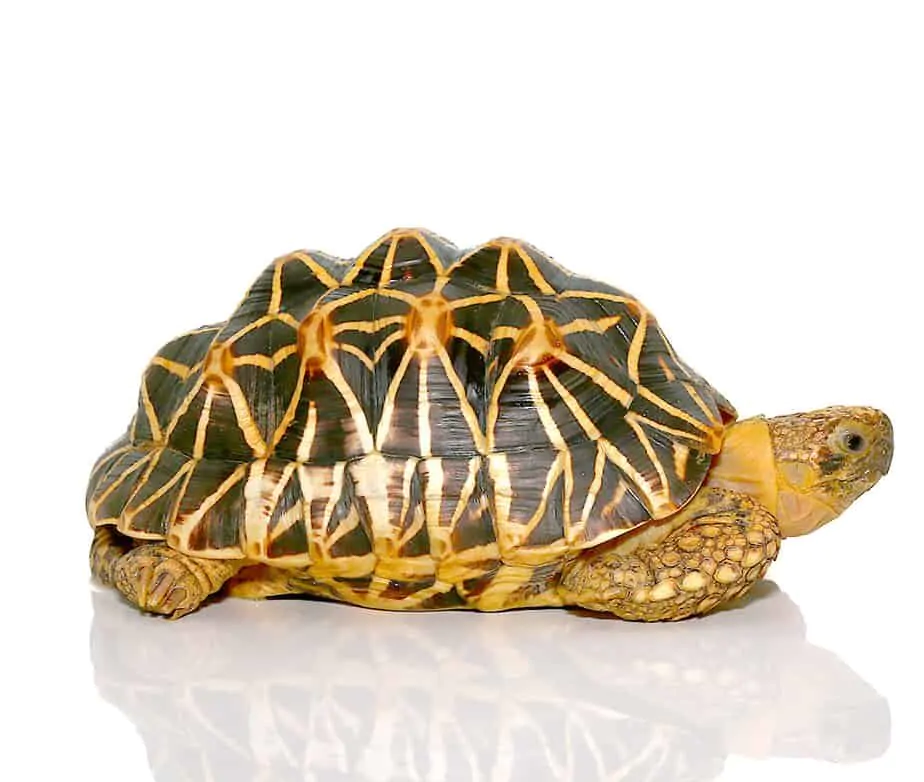
The first time I saw an Indian Star Tortoise, I literally stopped walking and just stared. The shell was unlike anything I’d ever seen—a mesmerizing pattern of radiating yellow lines across dark brown scutes, like a child’s drawing of a sun. The tortoise itself was small, no bigger than my palm, but its presence was unforgettable. I knew right then that I had to learn everything about this species.
That was over a decade ago, and I’ve kept, bred, and studied Indian Star Tortoises ever since. They remain, in my opinion, one of the most beautiful tortoise species on the planet. But here’s the honest truth that no one told me when I was starting out: they are not beginner tortoises. They have specific needs that, if not met, will lead to health problems, stress, and heartbreak.
One of the first questions everyone asks is about indian star tortoise price. And I get it. These animals are an investment. But the purchase price—whether you’re looking at star tortoise price for a hatchling or a breeding pair—is just the beginning. The real cost comes in proper setup, veterinary care, and the decade-after-decade commitment to providing the right environment.
In this complete 2026 guide, I’ll walk you through everything you need to know about bringing an Indian Star Tortoise into your life. We’ll break down indian star tortoise price factors, where to find healthy animals, how to set up their enclosure, what to feed them, common health issues, and long-term care requirements. Whether you’re a curious beginner or an experienced tortoise keeper, you’ll find practical, actionable advice here.
Let’s start with the basics.
Why the Indian Star Tortoise Is a Highly Sought After Species
The Indian Star Tortoise (Geochelone elegans) has earned its reputation as one of the most beautiful tortoises in the world. But beauty isn’t the only reason these animals are so highly valued.
The Star Pattern
No two Indian Star Tortoises have identical patterns. The yellow radiating lines on each scute create a unique fingerprint for every individual. Some have thick, bold lines that almost glow against the dark shell. Others have thinner, more delicate patterns that look like fine calligraphy. This natural variation means every tortoise feels special.
Manageable Size
Unlike some tortoise species that grow to 100 pounds or more, Indian Star Tortoises stay relatively small. Most adults reach 7 to 12 inches in length and weigh 2 to 5 pounds. Females are generally larger than males. This manageable size makes them suitable for keepers who don’t have acreage for a sulcata or Aldabra enclosure.
Captive-Bred Availability
Historically, the pet trade relied on wild-caught Indian Star Tortoises, which came with parasites, stress, and legal complications. Today, a growing number of specialized breeders produce captive-bred animals. These are healthier, more acclimated to captivity, and legal to own with proper documentation.
Long Lifespan
A healthy Indian Star Tortoise can live 30 to 50 years in captivity, sometimes longer. That’s not a short-term pet. That’s a lifelong companion that may outlive its original owner. For keepers who appreciate that kind of commitment, the long lifespan is a feature, not a drawback.
The Appeal to Collectors
Among tortoise enthusiasts, Indian Star Tortoises hold a special status. They’re not common. They’re not easy to breed. And they require specific care that separates dedicated keepers from casual hobbyists. Owning one is a mark of experience and commitment.
Understanding Factors That Affect Indian Star Tortoise Price and Star Tortoise Price
Let’s talk numbers. The indian star tortoise price varies dramatically based on several factors. Understanding what you’re paying for helps you avoid scams and make an informed purchase.
Average Price Ranges (2026)
| Type | Price Range | Notes |
|---|---|---|
| Captive-bred hatchling | 500−500−1,200 | Most common, healthiest option |
| Captive-bred juvenile (6-12 months) | 800−800−1,800 | More established, lower risk |
| Captive-bred adult | 1,500−1,500−3,500+ | Breeding age, proven health |
| Wild-caught (illegal/unethical) | 200−200−500 | High risk, not recommended |
| Breeding pair | 3,000−3,000−6,000+ | Established, proven breeders |
Factors That Influence Star Tortoise Price
1. Captive-Bred vs. Wild-Caught
This is the biggest factor. Captive-bred Indian Star Tortoises cost significantly more because they require investment in breeding facilities, incubation, and raising hatchlings to a healthy size. Wild-caught animals are cheaper up front but often carry parasites, refuse to eat, and may die within weeks. The star tortoise price for captive-bred is worth every penny.
2. Age and Size
Hatchlings are less expensive than juveniles and adults, but they’re also more delicate. A well-started juvenile (6-12 months) costs more but has a much higher survival rate. Adults capable of breeding command the highest prices.
3. Pattern Quality
Not all Indian Star Tortoises have equally striking patterns. Animals with bold, well-defined radiating lines on high-contrast shells are more desirable and often priced higher. Pattern intensity is partly genetic and partly influenced by environment (sunlight, diet, humidity).
4. Proven Breeders vs. Pet Only
A tortoise from a lineage that produces strong patterns or good hatch rates may cost more. Some keepers pay a premium for animals from specific bloodlines.
5. Geographic Location
Star tortoise price varies by region. In areas with more breeders (Florida, California, parts of Europe), prices may be lower due to competition. In areas where tortoises are harder to find, prices climb.
6. Seasonality
Hatchlings are typically available in late summer and fall after breeding season. Prices may be higher early in the season when supply is limited.
Hidden Costs Beyond the Purchase Price
When budgeting for indian star tortoise price, don’t forget:
-
Enclosure: 200−200−800 (depending on size and materials)
-
Lighting and heating: 150−150−300 (UVB bulbs, heat lamps, thermostats)
-
Substrate and decor: 50−50−150
-
Veterinary setup visit: 75−75−150 (includes fecal exam)
-
Annual ongoing costs: 200−200−500 (food, supplements, bulb replacement, vet check)
The purchase price is often less than the first year’s setup costs.
What to Look For When Considering Indian Star Tortoise For Sale
Whether you’re searching for an Indian Star Tortoise For Sale from a breeder or considering an Indian Star Tortoises For Sale listing online, knowing what to look for protects you and the animal.
Health Checklist
-
Eyes: Bright, clear, no swelling or discharge. Sunken eyes = dehydration.
-
Nares (nostrils): Clean, no bubbles or crusting.
-
Mouth: Closed properly. No drooling, gaping, or cheesy material.
-
Shell: Smooth, hard, no soft spots (sign of metabolic bone disease). No cracks, pitting, or signs of shell rot.
-
Skin: Smooth, intact, no lesions, cuts, or stuck shed (especially on legs and head).
-
Weight: Should feel heavy for its size. A light, hollow-feeling tortoise is likely dehydrated or malnourished.
-
Activity level: Active when stimulated. Should move away when approached, not lie limp.
-
Vent (cloaca): Clean, no pasty or bloody residue.
Questions to Ask the Breeder
-
“Is this captive-bred? Can you provide documentation?”
-
“What’s the exact hatch date or estimated age?”
-
“What has it been eating, and what supplements do you use?”
-
“What temperatures and humidity do you maintain?”
-
“Have you treated for parasites? When was the last fecal exam?”
-
“Can I see the parents?” (Essential for verifying captive-bred status)
Red Flags to Walk Away From
-
The seller cannot provide captive-bred documentation.
-
The price is suspiciously low (e.g., $200 for a healthy hatchling).
-
The tortoise is housed in poor conditions (dirty, overcrowded, no UVB).
-
The seller refuses to answer basic questions.
-
The animal shows any signs of illness from the checklist above.
-
The seller is advertising “wild-caught” as a positive (it’s not).
Legal Considerations
Indian Star Tortoises are protected under CITES (Convention on International Trade in Endangered Species) Appendix I. This means international trade is heavily restricted. In the United States, captive-bred animals can be legally sold across state lines with proper documentation (CITES certificate). Never buy an Indian Star Tortoise without verifying its legal status. Illegal trafficking is a real problem, and purchasing wild-caught tortoises contributes to population decline.
Setting Up the Perfect Enclosure
Your Indian Star Tortoise needs an enclosure that mimics its native habitat: dry, warm, and sunny with access to shade. Here’s how to build it right.
Enclosure Size Requirements (H3)
These tortoises need floor space to roam. Height is less important.
| Age | Minimum Enclosure Size | Recommended |
|---|---|---|
| Hatchling (0-1 year) | 2’x2′ (4 sq ft) | 3’x2′ (6 sq ft) |
| Juvenile (1-3 years) | 3’x2′ (6 sq ft) | 4’x2′ (8 sq ft) |
| Adult (3+ years) | 4’x2′ (8 sq ft) | 4’x4′ (16 sq ft) or larger |
Outdoor enclosures are ideal for warmer months if you live in a suitable climate (temperatures 75-90°F). They provide natural sunlight, space to roam, and grazing opportunities.
Substrate Options (H3)
| Substrate | Best For | Pros | Cons |
|---|---|---|---|
| Coco coir | All ages | Holds humidity, safe if ingested | Can be dusty when dry |
| Organic topsoil | Adults | Natural, inexpensive | Needs to be sterilized |
| Cypress mulch | Juveniles/adults | Resists mold, holds humidity | Can be sharp |
| Paper towels | Hatchlings, quarantine | Easy to clean, sterile | Not natural |
| Orchid bark | All ages | Attractive, holds humidity well | More expensive |
Avoid: Sand (impaction risk), cedar or pine (toxic), calcium sand, cat litter.
Hides and Enrichment (H3)
Provide at least two hides: one on the warm side and one on the cool side. Hides should be snug—the tortoise should feel secure, not exposed.
Enrichment ideas:
-
Flat rocks for basking and natural nail filing
-
Cork flats or half-logs for hiding
-
Low, smooth rocks to climb over (nothing too high)
-
A shallow water dish (large enough to soak, shallow enough to prevent drowning)
Lighting and UVB (H3)
This is critical. Indian Star Tortoises need UVB to metabolize calcium.
-
UVB type: Linear fluorescent T5 HO (10-12%) or mercury vapor bulb
-
Placement: 12-18 inches above basking area
-
Schedule: 12-14 hours daily
-
Replacement: Every 6-12 months
Heating and Temperature Gradient (H3)
| Zone | Temperature |
|---|---|
| Basking surface | 95-100°F (35-38°C) |
| Warm side ambient | 85-90°F (29-32°C) |
| Cool side ambient | 75-80°F (24-27°C) |
| Nighttime | 70-75°F (21-24°C) |
Use a basking bulb (white incandescent) on a dimming thermostat. For nighttime, use a ceramic heat emitter only if temperatures drop below 70°F.
Temperature Humidity UVB Lighting and Environmental Requirements
Quick reference chart for your Indian Star Tortoise setup.
| Parameter | Ideal Range | Danger Zone |
|---|---|---|
| Basking surface | 95-100°F | Above 105°F (burns) |
| Warm side ambient | 85-90°F | Below 80°F |
| Cool side ambient | 75-80°F | Below 70°F |
| Nighttime temp | 70-75°F | Below 65°F |
| Humidity | 40-60% | Above 70% (respiratory risk) |
| UVB type | T5 linear 10-12% or mercury vapor | Coil bulbs |
| Water bowl | Shallow, changed daily | Deep bowl (drowning risk) |
Feeding Your Indian Star Tortoise: Diet Supplements and Feeding Schedule
Indian Star Tortoises are herbivores. Their diet should be high in fiber, low in protein, and low in sugar.
Daily Staples (80-90% of diet)
-
Grasses and hay: Timothy hay, orchard grass, Bermuda grass (important for fiber)
-
Leafy greens: Collard greens, mustard greens, turnip greens, dandelion greens
-
Edible weeds: Plantain (the weed, not the banana-like fruit), clover, chickweed
Variety Additions (10-20% of diet)
-
Vegetables: Grated butternut squash, acorn squash, bell peppers (occasional)
-
Edible flowers: Hibiscus, rose petals, nasturtiums, dandelion flowers
Foods to Feed Rarely or Avoid
| Food | Frequency | Reason |
|---|---|---|
| Fruit | Never or extremely rare | Too much sugar, causes digestive upset |
| Spinach | Rare (small amounts) | Binds calcium |
| Kale | Occasional only | Binds calcium in large amounts |
| Iceberg lettuce | Never | No nutrition |
| Animal protein | Never | Herbivores, cannot digest |
Supplementation Schedule
| Supplement | Frequency | Notes |
|---|---|---|
| Calcium (without D3) | Light dusting at every feeding | Essential for shell health |
| Calcium with D3 | 1-2 times weekly | Only if UVB is insufficient |
| Multivitamin | 1 time weekly | Prevents deficiencies |
Water and Hydration
Provide a shallow water bowl (large enough to soak, shallow enough to prevent drowning). Change water daily. Additionally, soak your tortoise in shallow, lukewarm (85-90°F) water for 15-20 minutes, 2-3 times weekly. This promotes hydration and healthy bowel movements.
Feeding Schedule
-
Hatchlings and juveniles: Feed daily, as much as they can eat in 20-30 minutes
-
Adults: Feed daily, portion about the size of the tortoise’s shell
Handling Temperament and Enrichment Ideas
Indian Star Tortoises are generally shy and retiring. They tolerate handling but don’t seek it out like a bearded dragon might.
Handling Guidelines
-
Limit handling: Keep sessions to 10-15 minutes, 2-3 times weekly
-
Support the body: Always support the entire plastron (bottom shell) with both hands
-
Never drop: A fall from any height can crack the shell
-
Wash hands: Before and after handling to prevent bacterial transfer
Signs of Stress
-
Withdrawing into shell and refusing to come out
-
Hissing (defensive)
-
Attempting to flee
-
Musk release (foul smell)
Enrichment Ideas
-
Obstacle course: Low, smooth rocks and cork flats to climb over
-
Foraging: Hide food under leaves or scatter it around the enclosure
-
Rotating decor: Change the layout every few weeks
-
Outdoor time: Supervised outdoor grazing in a secure pen (warm weather only)
Common Health Issues and Preventative Care
| Condition | Signs | Prevention |
|---|---|---|
| Metabolic Bone Disease (MBD) | Soft shell, rubbery jaw, lethargy | UVB light, calcium supplements |
| Respiratory infection | Wheezing, bubbles from nose, open-mouth breathing | Proper temperatures, avoid drafts |
| Shell rot | Soft, pitted, discolored shell areas | Dry substrate, clean enclosure |
| Parasites | Weight loss, runny stool, no appetite | Annual fecal exams, captive-bred prey (none—they’re herbivores) |
| Dehydration | Sunken eyes, wrinkled skin, dry urates | Regular soaking, water bowl access |
| Pyramiding | Bumpy, raised scutes | Proper humidity, balanced diet |
Preventative Care Checklist
-
Daily: Spot-clean enclosure, check water, observe behavior and appetite
-
Weekly: Soak tortoise (15-20 minutes), deep-clean water bowl, weigh your tortoise
-
Monthly: Full substrate change, check UVB output
-
Annually: Veterinary wellness exam with fecal float
Growth Stages and Long Term Commitment
| Age | Length (carapace) | Weight | Notes |
|---|---|---|---|
| Hatchling (0-6 months) | 1.5-2.5 inches | 20-40 grams | Very delicate, high humidity needs |
| Juvenile (6 months-2 years) | 2.5-5 inches | 40-200 grams | Rapid growth, upgrade enclosure |
| Sub-adult (2-4 years) | 5-8 inches | 200-500 grams | Slowing growth |
| Adult (4+ years) | 7-12 inches | 500-1,500+ grams | Full size, breeding possible |
Long Term Commitment
Indian Star Tortoises live 30-50 years. This is not a pet for someone who isn’t ready for a multi-decade commitment. Before you buy, ask yourself:
-
Do I have space for an adult enclosure (4’x4′ minimum)?
-
Can I afford ongoing costs (veterinary care, bulbs, food) for 30+ years?
-
Who will care for this tortoise if I cannot?
Popular Variations and Responsible Sourcing
When you’re ready to look for an Indian Star Tortoise For Sale or researching Indian Star Tortoises For Sale listings, focus on responsible sourcing.
Where to Find Indian Star Tortoise For Sale
-
Specialized tortoise breeders (best option): Look for breeders who focus exclusively or primarily on star tortoises. They understand the species-specific needs.
-
Reptile expos (with caution): Some expos have reputable breeders. Research vendors beforehand.
-
Online classifieds (high risk): Only use platforms with breeder reviews and buyer protection.
What a Responsible Seller Provides
A reputable source offering Indian Star Tortoise For Sale will provide:
-
Captive-bred documentation (CITES certificate)
-
Hatch date and growth records
-
Feeding and supplement history
-
Health records (fecal exam results)
-
Parent photos
-
Health guarantee (30+ days)
What to Avoid
-
Wild-caught animals: Illegal, unhealthy, unethical
-
Sellers who won’t answer questions: Huge red flag
-
Prices that seem too good: A $300 “captive-bred” hatchling is almost certainly wild-caught or a scam
-
No documentation: If they can’t prove captive-bred status, walk away
FAQ Section
1. How much does an Indian Star Tortoise cost?
The indian star tortoise price ranges from 500−500−1,200 for captive-bred hatchlings, 800−800−1,800 for juveniles, and 1,500−1,500−3,500+ for adults. Breeding pairs can cost 3,000−3,000−6,000+.
2. Why are Indian Star Tortoises so expensive?
They are difficult to breed in captivity, produce small clutches (2-5 eggs), and require specialized care. The star tortoise price reflects these challenges plus CITES protection that limits legal trade.
3. Is an Indian Star Tortoise good for beginners?
No. They have specific humidity, temperature, and dietary needs that make them intermediate-level tortoises. Beginners should start with Russian or Greek tortoises.
4. How long do Indian Star Tortoises live?
With proper care, 30 to 50 years. Some have lived beyond 50 years in captivity.
5. What size enclosure does an Indian Star Tortoise need?
Hatchlings: 2’x2′ minimum. Juveniles: 3’x2′ minimum. Adults: 4’x2′ minimum, but 4’x4′ or larger is strongly recommended.
6. What do Indian Star Tortoises eat?
A high-fiber diet of grasses, hay, and leafy greens (collard, mustard, dandelion). Fruit is not recommended. Calcium supplements are essential.
7. Do Indian Star Tortoises need UVB lighting?
Yes, absolutely. Without UVB, they develop metabolic bone disease. Use a linear T5 HO 10-12% bulb.
8. Can Indian Star Tortoises live outside?
Yes, in warm climates (temperatures consistently 75-90°F). Provide a secure, predator-proof enclosure with shade and a heated shelter for cooler nights.
9. Are Indian Star Tortoises legal to own?
Yes, captive-bred Indian Star Tortoises with proper CITES documentation are legal to own and sell across state lines in the US. Wild-caught are illegal.
10. How can I tell if an Indian Star Tortoise is healthy?
Clear, bright eyes; smooth, hard shell (no soft spots); active behavior; heavy weight for its size; clean vent; no nasal discharge.
11. Do Indian Star Tortoises hibernate?
No. They come from tropical regions of India and Sri Lanka. They do not brumate (hibernate) and need consistent warm temperatures year-round.
12. Where can I find an Indian Star Tortoise For Sale?
From specialized tortoise breeders who can provide captive-bred documentation, hatch dates, and health records. Avoid wild-caught animals and sellers who cannot verify legal status.
Conclusion
The Indian Star Tortoise is one of the most breathtakingly beautiful tortoises on the planet. Those radiating yellow lines against the dark shell never get old. I’ve had mine for over a decade, and I still stop to admire them every single day.
But here’s the truth that every potential owner needs to hear: these animals are not impulse buys. The indian star tortoise price—whether you’re paying 500forahatchlingor500forahatchlingor3,000 for a breeding pair—is just the beginning. The real investment is time, education, and long-term commitment. You’re signing up for 30 to 50 years of proper lighting, correct temperatures, balanced nutrition, regular vet visits, and daily care.
If you’re ready for that commitment, and if you’ve done your research, an Indian Star Tortoise will reward you with decades of quiet companionship. They don’t bark. They don’t beg for attention. But they will teach you patience. They will connect you to the natural world. And they will outlive your other pets, your car, maybe even your house.
When you’re ready to find an Indian Star Tortoise For Sale, take your time. Research breeders. Ask the hard questions. Verify captive-bred documentation. And if the star tortoise price seems suspiciously low, walk away—it’s almost certainly too good to be true.
Your next steps:
-
Download our Indian Star Tortoise care checklist
-
Find reputable tortoise breeders near you
-
Learn more about CITES regulations for tortoises
Your journey with one of the world’s most beautiful tortoises starts with responsible research. Take that step today. Happy keeping.