If you’re considering adding a reptile to your family, bearded dragons for sale might just be the perfect choice. These charismatic creatures are not only visually stunning but also possess a gentle temperament, making them an ideal pet for beginners. In this detailed guide, we’ll dive into what makes bearded dragons so popular, their care requirements, how to find healthy reptiles for sale online, and everything else you need to know before bringing one home. Whether you are a first-time reptile owner or a seasoned enthusiast, this article will serve as your ultimate resource.
1. What is a Bearded Dragon?
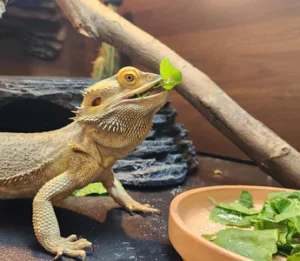
A bearded dragon is a robust lizard native to the arid and semi-arid regions of Australia. They belong to the genus Pogona, which includes several species, though the most common in the pet trade is the Inland Bearded Dragon (Pogona vitticeps). They get their name from the distinctive “beard” — a flap of skin under their chin that can expand and darken when the lizard feels threatened, excited, or during courtship displays.
Bearded dragons are popular pets due to their unique appearance, which typically includes:
• A broad, flat body
• Spiky scales along their neck, sides, and back
• A triangular head with a wide, friendly-looking face
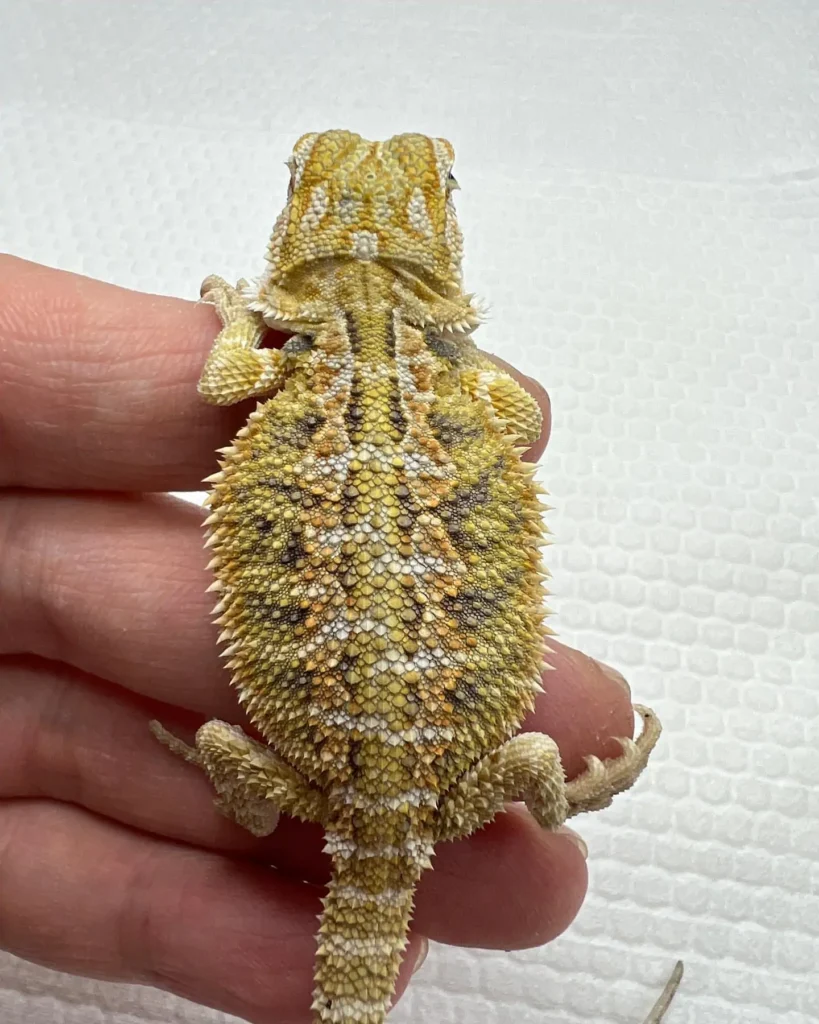
These reptiles can vary dramatically in color, from bright yellows and oranges to deep reds, vibrant blues, and even pure whites. This dazzling diversity in coloration is largely the result of selective breeding, which has produced dozens of distinct morphs (color and pattern variations). Their calm and sociable nature makes them particularly appealing to both children and adults, helping to solidify their status as one of the most favored reptiles for sale.
1.1 Natural Habitat and Behavior
In the wild, bearded dragons inhabit deserts, woodlands, and scrublands. They are diurnal (active during the day) and spend their time basking in the sun to regulate their body temperature, hunting for insects, and foraging for vegetation. Their natural behavior includes:• Basking on rocks or logs to absorb heat and UVB.
• Waving a foreleg as a submissive gesture to other dragons.
• Head bobbing to assert dominance or attract a mate.
• Beard puffing when stressed or showing off.
Understanding these natural behaviors is crucial for providing proper care in captivity.
2. Why People Buy Bearded Dragons
There are several reasons why beginners and experienced reptile enthusiasts alike are drawn to bearded dragons. Their friendly demeanor and captivating personalities set them apart from many other reptiles. Here are a few benefits of owning a bearded dragon:
• Temperament: Bearded dragons are generally calm and enjoy interacting with their owners, making them less intimidating than other reptiles like snakes or large monitors. They can even learn to recognize their owners and may seek out attention.
• Beginner-Friendly: Their straightforward care requirements and robust health make them an ideal choice for first-time reptile owners. Unlike some delicate reptiles, they are forgiving of minor husbandry mistakes as long as core needs (lighting, temperature, diet) are met.
• Rarity and Beauty: With numerous color morphs available, bearded dragons offer beauty and uniqueness that appeal to collectors and enthusiasts alike.
• Long Lifespan: With proper care, they can live 8 to 15 years, offering a long-term companionship opportunity.
• Educational Value: For families with children, caring for a bearded dragon can be an incredible learning experience about biology, responsibility, and animal welfare.
• Interactive Pets: These reptiles are known to enjoy being handled, sitting on shoulders, and even watching television with their owners. They are not merely “display pets” but can be truly interactive companions.
3. A Deep Dive into Care and Maintenance
Before acquiring a bearded dragon for sale, it’s important to understand their care needs in depth. This section will provide a comprehensive overview of every aspect of their husbandry.
3.1 Diet and Nutrition
Bearded dragons are omnivores, enjoying a diet that consists of insects, greens, and fruits. However, their dietary requirements change significantly as they age.
Young Bearded Dragons (0-6 months):
• Diet Composition: 80% insects, 20% greens.
• Insects: Crickets, small dubia roaches, black soldier fly larvae (Phoenix worms), and tiny mealworms (in moderation).
• Feeding Frequency: Two to three times per day, allowing them to eat as many insects as they can in 10-15 minutes.
• Greens: Offer finely chopped collard greens, mustard greens, dandelion greens, and butternut squash.
Juveniles (6-12 months):
• Diet Composition: 50% insects, 50% greens.
• Insects: Medium crickets, dubia roaches, grasshoppers, and superworms once or twice a week.
• Greens: Continue offering a variety of leafy greens and vegetables. Introduce small amounts of fruit (like blueberries or papaya) as treats.
Adults (12+ months):• Diet Composition: 80% greens and veggies, 20% insects.
• Insects: Offer insects only 3-4 times per week. Good options include superworms, hornworms (as treats), and large dubia roaches.
• Greens: Focus on a staple of collard, mustard, and turnip greens. Add variety with bell peppers, zucchini, squash, and occasional berries.
Essential Supplements:
• Calcium Powder (without D3): Dust insects and greens with calcium at almost every feeding for juveniles, and 3-4 times per week for adults.
• Multivitamin with D3: Use once a week for all ages.
Hydration:
• Provide fresh, clean water in a shallow dish at all times.
• Mist your dragon and its greens lightly. A weekly soak in lukewarm water (1/2 inch deep) will encourage drinking and help with shedding.
Foods to AVOID:
• Avocado, rhubarb, onions, garlic, spinach (in large amounts), iceberg lettuce (no nutritional value), and fireflies (toxic).
3.2 Habitat Setup and Enclosure Requirements
To ensure your bearded dragon thrives, an appropriate habitat is essential. A proper enclosure mimics their natural environment and allows for ‘thermoregulation’.
Enclosure Size:
• Hatchlings (0-4 months): Can start in a 20-gallon long tank (for easier monitoring), but will quickly outgrow it.
• Juveniles (4-12 months): A 40-gallon breeder tank is the minimum.• Adults (12+ months): Recommended size: 75 to 120 gallons. A larger tank (e.g., 4x2x2 feet) provides ample space for exercise and prevents boredom. Bigger is always better!
Substrate (Floor covering):
• Best Options: Ceramic tile (easy to clean, files nails), reptile carpet, paper towels, or non-adhesive shelf liner.
• Avoid: Loose substrates like sand, walnut shells, or wood chips, especially for juveniles. They can cause impaction (a deadly blockage) if ingested.
Heating and Lighting:
• Basking Spot: A high-wattage halogen flood bulb creates a basking spot of 100-110°F (38-43°C) for juveniles and 95-105°F (35-40°C) for adults.
• Cool Side: The opposite side of the tank should be 75-85°F (24-29°C) .
• Nighttime: Temperatures can drop to 65-72°F (18-22°C) ; no heat light is needed unless the room gets colder.
• UVB Lighting: This is the single most important piece of equipment. Use a T5 HO (High Output) UVB tube light that covers 2/3 to 3/4 of the tank length. It must be placed on top of a mesh lid (for safety) and replaced every 6-12 months, even if the light still looks bright. UVB is essential for vitamin D3 synthesis and calcium absorption, preventing Metabolic Bone Disease (MBD).
Humidity:
• Bearded dragons are desert animals. Keep humidity between 30% and 40%. Use a hygrometer to monitor levels. High humidity can lead to respiratory infections.
3.3 Enrichment and Furnishings
A barren tank leads to a stressed and bored dragon. Provide:• Hides: At least one on the warm side and one on the cool side for security.
• Basking Platform: A flat rock, log, or commercially made basking shelf placed directly under the heat lamp.
• Climbing Structures: Branches, driftwood, or reptile hammocks to encourage exercise.
• Dig Box: Many dragons enjoy digging (especially females during egg-laying). A small plastic container filled with organic topsoil or Eco Earth can provide excellent enrichment.
• Background: Attaching a 3D rock background to the back and sides of the tank reduces stress by blocking reflections.
3.4 Brumation (Reptile Hibernation)
Bearded dragons may go through a period of semi-hibernation in the cooler months called brumation. Signs include reduced appetite, increased sleep, and hiding. This is normal and not a cause for alarm. Do not force feed them during this time, but always provide fresh water. If you are concerned, consult a reptile veterinarian.
4. Temperament and Handling
Bearded dragons are renowned for their laid-back personalities. With consistent, gentle handling, they become very docile and may even seek out human interaction. Here’s how to handle them properly:
Getting Started:
• Wait 1-2 weeks after bringing your dragon home to let it adjust.
• Start by placing your hand in the tank for a few minutes each day, allowing the dragon to get used to your scent.
• When ready, gently scoop the dragon from underneath, supporting its body and legs.
Handling Tips:
• Duration: 10-20 minutes per session, 1-3 times daily.• Calm Environment: Handle in a quiet room without loud noises or other pets.
• Positive Association: Offer a small treat (like a piece of a blueberry) after handling.
• Signs of Stress: Dark stress marks on the belly, running away, puffing beard, or trying to bite. If you see these, give your dragon a break.
Out-of-Tank Time:
Let them explore a “bearded dragon-proofed” room (no small items to swallow, no gaps under appliances, no poisonous plants). You can also take them outside on a warm, sunny day (use a harness for safety) to enjoy natural sunlight.
5. Price and Availability
The price of bearded dragons for sale can vary significantly based on several factors:
• Age: Hatchlings are generally cheaper than sub-adults or adults.
• Color and Morph:
• Standard/Scaleless: $40 • $80
• Fancy (Hypomelanistic, Leatherback): $100 • $200
• Translucent: $150 • $300
• Zero (Lack of pattern/color): $200 • $400
• Paradox or Rare Morphs: $500 • $1,500+
• Breeder Reputation: Well-known breeders who offer health guarantees and genetic diversity command higher prices.
• Gender: Males are often slightly more expensive than females.
Where to Buy:
• Reputable Breeders: The best option. They provide detailed information on lineage, health records, and proper care. Look for them at reptile expos or online.
• Licensed Pet Shops: Good if they are known for ethical sourcing and healthy animals. Avoid “big box” stores that may sell sickly or poorly cared-for dragons.
• Adoption: Rescue organizations often have bearded dragons needing homes. This is a wonderful, low-cost option.
What to AVOID:
• Online marketplaces like Craigslist or eBay from unverified sellers.
• Imported wild-caught dragons (often stressed, disease-ridden, and never fully tame).
6. Buying Guide: How to Choose a Healthy Bearded Dragon
When considering purchasing a bearded dragon, it’s critical to know what a healthy animal looks like. A sick dragon can lead to heartache and expensive vet bills.
6.1 What to Look For
• Alertness: The dragon should be alert, looking around, and reacting to your movements.
• Activity Level: It should move freely and actively, not lying motionless with its eyes closed.
• Clear Eyes: Eyes should be bright, shiny, and free from discharge or crustiness.
• Good Body Condition: Look for a well-rounded body (not too thin, ribs or spine not visible), a thick, muscular tail base, and no sunken fat pads on the head.
• Clean Vent: The vent (the opening under the tail) should be clean, dry, and free from feces or swelling.
• Smooth, Shed-Free Skin: Check for any missing scales, lumps, lesions, or retained shed (especially on toes and tail tip).
• Normal Coloration: The dragon should have its characteristic color, not dark, dull, or stress-marked (though a slight change during transport is normal).
• Eating Habits: If possible, ask the seller to offer a small insect or piece of green to see if the dragon has a healthy appetite.
6.2 What to Avoid (Red Flags)
• Lethargy: Sleeping excessively or lack of energy.
• Sunken Eyes: Indication of dehydration or illness.
• Stargazing: Looking up at the sky or ceiling constantly (sign of a neurological issue).
• Mouth Breathing: Regularly breathing through the mouth (sign of a respiratory infection).
• Malformed Limbs or Jaw: Signs of Metabolic Bone Disease (MBD), such as a rubbery jaw, swollen legs, or a kinked spine.
• Loose or Runny Feces: Could indicate parasites or dietary issues. A fecal exam from a vet is always recommended.
6.3 Captive Bred vs. Wild Caught
Always opt for captive bred reptiles. They are:
• Generally healthier and free from severe internal parasites.
• Already accustomed to captivity and human handling.
• Guaranteed to be a specific morph or species.
• Not contributing to the depletion of wild populations.
Wild-caught dragons often arrive stressed, dehydrated, and diseased, and rarely make good pets.
7. Common Health Issues and Veterinary Care
Even with the best care, bearded dragons can get sick. Recognizing the signs early is crucial.
• Metabolic Bone Disease (MBD): This is the most common and deadliest condition. It results from a lack of UVB and calcium. Symptoms include tremors, muscle twitching, swollen legs, a soft jaw, and inability to move. Prevention is key: proper UVB lighting and calcium supplementation.
• Impaction: A blockage of the digestive tract caused by eating loose substrate or overly large prey. Symptoms: not pooping, lethargy, loss of appetite. Treatment includes warm baths, gentle belly massage, and in severe cases, vet intervention.
• Respiratory Infections: Often caused by high humidity or low temperatures. Symptoms: wheezing, open-mouthed breathing, mucus around the nose.• Parasites: Coccidia and pinworms are common. Regular fecal exams (every 6-12 months) are recommended. Symptoms: weight loss, runny stool, failure to thrive.• Adenovirus (ADV): A highly contagious virus often fatal in young dragons. Look for “going to the right” (head tilt), stargazing, and lack of growth. There is no cure.
Finding a Reptile Vet:
Before you buy your dragon, find a veterinarian near you who specializes in reptiles. Schedule an initial “wellness check” and bring a fresh fecal sample for testing.
8. Frequently Asked Questions (FAQ) Section
1. How long do bearded dragons live?
Bearded dragons have a lifespan of 8 to 15 years, depending on their care and environment. Some well-cared-for individuals have lived even longer (up to 18 years).
2. Do bearded dragons require special lighting?
Absolutely yes. They require two types of lighting:• UVB Light (T5 HO tube): Essential for them to synthesize vitamin D3, which allows them to absorb calcium.
• Basking Light (Halogen flood): Provides the necessary heat for digestion and thermoregulation.
Both lights should be on for 12-14 hours a day during the summer and 10-12 hours in the winter.
3. Can a bearded dragon live with other reptiles?
It is generally not recommended to house bearded dragons with other reptiles (including other bearded dragons). They are solitary animals and can be territorial. Two males will fight, often causing serious injury. Housing them with different species (like leopard geckos) creates competition for resources and can lead to stress, injury, and cross-species diseases.
4. How often should I feed my bearded dragon?
• Young bearded dragons (0-6 months): Two to three times a day (feed insects at one or two of these feedings).• Juveniles (6-12 months): Once to twice a day (offer greens daily, insects every other day).
• Adults (12+ months): Once a day (greens every day, insects 3-4 times per week).
5. Do bearded dragons need water? How do they drink?
Yes, they need fresh water daily. Most will drink from a shallow water dish. However, they often get a significant amount of hydration from their leafy greens. A daily misting of their greens and a weekly warm soak (for 15-20 minutes) is excellent for hydration and shedding.
6. Why is my bearded dragon’s beard turning black?
A black beard is a strong sign of stress, frustration, illness, or a display of dominance (especially in males). Common triggers include:
• Seeing another reptile or its own reflection.
• Being handled when stressed.
• Temperature being too cold or too hot.
• Illness or pain.
If the black beard persists for more than a day without an obvious trigger, consult a vet.
7. Do bearded dragons shed?
Yes, they shed their skin in patches as they grow. Young dragons shed every few weeks, while adults shed less frequently (every few months). Provide a warm soak and a rough surface (like a rock or branch) to help them remove old skin. Never forcefully peel off stuck shed, as this can damage the new skin underneath. Focus on maintaining proper humidity and hydration.
8. Are bearded dragons good pets for children?
Yes, with supervision. Bearded dragons are generally docile and tolerate gentle handling, making them excellent “first pets” for children ages 6 and up. However, children must be taught:
• How to properly handle the reptile (no squeezing, dropping, or grabbing the tail).
• The importance of hand hygiene (washing hands before and after handling to prevent salmonella).
– That the dragon is not a toy and needs quiet, respectful care.
9. What is the best way to handle a bearded dragon?
Always approach from the side (not from above, which mimics a predator). Scoop them gently from underneath, supporting all four legs and the chest. Never pick them up by the tail. Calm, consistent handling from a young age builds trust.
10. Can bearded dragons be potty trained?
Interestingly, many bearded dragons can be trained to defecate in a specific area, such as a shallow bin filled with warm water (a “poop bath”). They often learn that a warm bath signals it’s time to go. This can be very helpful for housekeeping.
9. Setting Up Your New Bearded Dragon’s First Home
Bringing your new dragon home is exciting but also stressful for the animal. Follow these steps:
1. Quarantine: If you have other reptiles, keep the new dragon in a separate room for 30-60 days.
2. Setup the Enclosure Ahead of Time: Ensure the tank is fully cycled (temperatures stable, UVB on) for at least 48 hours before bringing the dragon home.
3. Transportation: Use a secure, well-ventilated reptile carrier or a sturdy box with air holes. Keep the car warm (75-80°F).
4. First Days: Keep handling to an absolute minimum for the first 3-5 days. Allow the dragon to explore its new home, find its heat source, and eat.
5. Monitor: Watch for eating and defecating. A healthy dragon should eat within 24-48 hours and poop within 48 hours.
6. First Vet Visit: Schedule a wellness check with a reptile vet within the first week to get a fecal test and a physical exam.
10. The Joy of Bearded Dragon Ownership
Beyond the basic care, owning a bearded dragon is a truly rewarding experience. Their personalities shine through in unique ways.
– The “Head Tilt”: They will often tilt their head to look at you, a behavior that seems inquisitive and endearing.
– Facial Expressions: While they can’t smile, their calm, slow movements and bright eyes convey a sense of contentment.
– Bonding: Many owners report that their dragons have favorite people, will come to the front of the tank when they see them, and even fall asleep in their hands.
– Photogenic: Their calm demeanor makes them easy to photograph, making them stars on social media.
Community: There is a vibrant online community of bearded dragon owners. Forums, Facebook groups, and Reddit (r/BeardedDragons) are excellent resources for daily advice, sharing photos, and troubleshooting problems.
11. Conclusion
Bearded dragons are an excellent choice for anyone looking to venture into the delightful world of reptiles. Their engaging personalities, manageable care requirements, and stunning appearance set them apart as appealing pets. From their playful “arm waving” to their quiet, companionable moments, they offer a unique form of companionship that enriches the lives of their owners.
If you’re ready to explore the variety of reptiles for sale, consider a bearded dragon as your new companion. They are not just pets; they are fascinating creatures with complex behaviors that invite you to learn and grow as a keeper. With the right knowledge, commitment, and love, you can provide a happy, healthy life for your new scaly friend.
Before you buy, remember our motto: Research, Prepare, Adopt or Purchase Ethically, and Enjoy the Journey. For more information or to check for availability, feel free to contact us or browse our selection online!