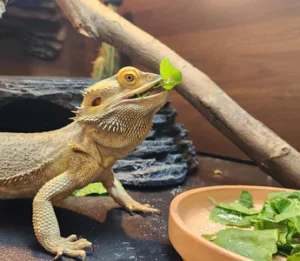
Bearded Dragon Reptiles for Sale: Complete Guide to Care & Ownership
1) Introduction
The first time a bearded dragon arm-waved at me, I genuinely laughed out loud. This little reptile—scaly, prehistoric-looking, with an impressive beard that puffs out when he’s feeling dramatic—lifted one front leg and slowly, deliberately, waved it in a circle like he was signaling for a turn. I’d read about this behavior. I’d seen videos. But watching it happen right in front of me, from a lizard who was clearly acknowledging my presence? That was something else entirely.
That was over a decade ago, and I’ve been hooked on these incredible animals ever since.
If you’re reading this, you’ve probably noticed that bearded dragon reptiles for sale are everywhere these days. At reptile expos, in pet stores, all over online marketplaces. And there’s a good reason for their exploding popularity: they hit a sweet spot that almost no other reptile does. They’re docile enough for beginners. They’re interactive enough to feel like a real companion. They’re manageable in size. And they have genuine personalities that will surprise you over and over again.
Maybe you’ve even stumbled across photos of some of the stunning color morphs available—vibrant orange dragons, nearly white Hypo Zeros, and the show-stopping red monster bearded dragon with its intense, almost unreal crimson coloration. These aren’t just lizards; they’re living works of art.
But here’s what I’ve learned after keeping and breeding bearded dragons for over twelve years: owning one is a privilege that comes with real responsibility. They need specific lighting, precise temperatures, a balanced diet, and consistent care. They’re not goldfish. They’re not hamsters. They’re 8- to 12-year commitments that will depend on you for everything.
In this complete 2026 guide, I’ll share everything I wish someone had told me before I brought home my first dragon. From finding healthy bearded dragon reptiles for sale to setting up the perfect enclosure, mastering their diet, understanding their health needs, and exploring stunning morphs like the red monster bearded dragon, orange bearded dragons, Hypo Zeros, and standard beauties. Whether you’re a curious beginner or an experienced keeper looking to refine your setup, you’re in the right place.
Let’s get started.
Why Bearded Dragons Are One of the Best Reptile Pets
I’ve kept my fair share of reptiles over the years—snakes, geckos, monitors, tortoises. And while I love them all for different reasons, bearded dragons hold a special place in my heart. Here’s why.
The Temperament That Wins Everyone Over
Bearded dragons are famously calm. Unlike many reptiles that tolerate handling at best, bearded dragons genuinely seem to enjoy human interaction. They’ll sit on your shoulder while you watch TV. They’ll fall asleep on your chest. They’ll walk onto your hand without hesitation.
I’ve introduced dozens of nervous first-time reptile owners to my adult male, and every single time, the reaction is the same: stunned delight. “Wait, he just sits there?” Yes. He really does.
The Perfect Size
Adult bearded dragons typically reach 16 to 24 inches from nose to tail tip. That’s large enough to feel substantial but small enough to handle comfortably with one hand. They weigh 300 to 600 grams—about the same as a can of soup. You don’t need a dedicated reptile room or custom-built enclosure the size of a wardrobe.
Diurnal and Active
This is huge. Many reptiles are nocturnal or crepuscular, meaning they’re active when you’re asleep. Bearded dragons are awake during the day. You’ll actually see them basking, exploring, eating, and interacting. They’ll watch you move around the room. They’ll come to the front of their enclosure when they see you with food. That kind of visibility makes them feel much more like a traditional pet.
Forgiving of Beginner Mistakes
Let me be honest: everyone makes mistakes with their first reptile. Temperatures drift. Supplements get skipped. Enclosure setups aren’t perfect. Bearded dragons are remarkably tolerant of these learning curves as long as you correct course reasonably quickly. They’re not as delicate as chameleons or as demanding as some tropical geckos. That forgiveness makes them ideal for first-time keepers.
Personality for Days
Every bearded dragon I’ve owned has had a distinct personality. My first male was a mellow, easygoing guy who never met a bug he didn’t like. My current female is sassy—she’ll puff her beard at me if I’m late with her greens. I’ve had dragons that loved baths, dragons that refused to touch certain vegetables, and one memorable individual who would only eat his insects if I wiggled them in front of him with tongs.
When you search for bearded dragon reptiles for sale, you’re not just buying a pet. You’re setting yourself up for years of entertainment, learning, and genuine connection.
Understanding Different Bearded Dragon Morphs and Colors
One of the most exciting aspects of the bearded dragon world is the incredible variety of colors and patterns available through selective breeding. If you’ve been looking at bearded dragon reptiles for sale online, you’ve probably noticed that prices vary wildly. That’s largely due to morphs.
What Is a Morph?
A morph is a genetic variation that affects a reptile’s color, pattern, or scale structure. In bearded dragons, morphs are created through years of careful selective breeding. Some morphs are simple recessives (both parents need to carry the gene). Others are polygenic (influenced by multiple genes), making them harder to predict and breed.
Common Morph Categories
| Morph Category | Characteristics | Examples |
|---|---|---|
| Color morphs | Intensified or unique colors | Red Monster, Citrus, Tangerine, Orange |
| Pattern morphs | Altered or reduced patterns | Hypo (reduced dark pigment), Zero (no pattern), Witblits (patternless) |
| Scale morphs | Different scale textures | Leatherback (smoother scales), Silkback (no scales) |
| Eye morphs | Unusual eye colors | Translucent (solid black eyes), Albino (red/pink eyes, extremely rare) |
Why Morphs Matter for Buyers
If you’re searching for bearded dragon reptiles for sale, understanding morphs helps you:
-
Recognize fair pricing (a standard dragon should not cost $500)
-
Verify breeder claims (some sellers mislabel common morphs)
-
Choose a dragon that fits your budget and aesthetic preferences
One of the most sought-after morphs today is the red monster bearded dragon, known for its intense, deep red coloration. But we’ll dive into that and other popular varieties in a dedicated section later.
What to Look For When Searching for Bearded Dragon Reptiles for Sale
Finding a healthy bearded dragon takes more than just picking the prettiest one in the tank. Here’s my complete buyer’s checklist based on years of experience.
Health Indicators Checklist
When you finally see a bearded dragon in person—whether at a breeder’s facility, a reptile expo, or a pet store—run through this list carefully:
-
Eyes: Bright, clear, fully open. No swelling, discharge, or sunken appearance. Sunken eyes often mean dehydration.
-
Body condition: Rounded but not obese. No visible hip bones or spine ridge. The fat pads on top of the head should be slightly plump, not hollow.
-
Skin: Smooth, intact, no lesions, cuts, or stuck shed (especially on toes and tail tip). Stuck shed on toes can cut off circulation.
-
Mouth: Closed normally. No drooling, gaping, or cheesy yellow material (sign of mouth rot).
-
Vent (cloaca): Clean, no pasty or bloody residue.
-
Activity level: Alert and responsive. Should move away when approached or at least turn its head to look at you.
-
Tail base: Should be firm and fleshy. A thin tail base indicates malnourishment.
-
Toes: All toes present. Nipping from cage mates is common in crowded conditions.
-
Beard: Should be able to puff out normally. No swelling or discoloration under the chin.
Questions to Ask the Breeder or Seller
-
“What’s the exact hatch date?”
-
“What has it been eating, and how often?”
-
“What kind of UVB lighting has it had?”
-
“Have you used calcium or multivitamin supplements? What brand?”
-
“Can I see the parents?” (For morphs, this is especially important)
-
“Has this dragon been treated for parasites? When was its last fecal exam?”
-
“What are the current temperatures in its enclosure?”
Red Flags to Walk Away From
-
The seller cannot provide a hatch date or feeding history.
-
Multiple dragons are housed together in a small enclosure (stress, aggression, missing toes).
-
The dragon looks thin, has stuck shed, or shows any health issues listed above.
-
The price is suspiciously low for a claimed rare morph.
-
The seller cannot answer basic questions about care.
-
The enclosure smells strongly of ammonia (poor hygiene).
Captive-Bred vs. Wild-Caught
Only buy captive-bred bearded dragons. Wild-caught individuals are rare in the pet trade for this species, but they do appear occasionally. They come with parasites, chronic stress, and often refuse to eat. A reputable breeder will proudly tell you their animals are captive-bred and multiple generations removed from the wild.
Setting Up the Perfect Enclosure
Getting the enclosure right before you bring home your bearded dragon is absolutely critical. Do not buy the lizard first and then figure out housing. Set everything up at least a week in advance to dial in temperatures and humidity.
Enclosure Size Requirements (H3)
Bearded dragons need floor space, not height. They are terrestrial lizards that occasionally climb but spend most of their time on the ground.
| Age | Minimum Enclosure Size | Recommended |
|---|---|---|
| Baby (0-6 months) | 20-gallon long (30″x12″x12″) | 40-gallon breeder (sectioned off if needed) |
| Juvenile (6-12 months) | 40-gallon breeder (36″x18″x18″) | 4’x2’x2′ |
| Adult (12+ months) | 75-gallon (48″x18″x21″) | 4’x2’x2′ or larger |
Important: A 40-gallon breeder is the absolute minimum for an adult bearded dragon, but bigger is genuinely better. A 4’x2’x2′ (120-gallon equivalent) PVC enclosure gives your dragon room to thermoregulate, exercise, and explore naturally.
Substrate Options (H3)
Substrate choice is one of the most debated topics in the bearded dragon community. Here’s the balanced, practical take based on my experience.
| Substrate | Best For | Pros | Cons |
|---|---|---|---|
| Paper towels | Babies, quarantine, sick dragons | Safe, cheap, easy to monitor feces | Not natural, no digging |
| Non-adhesive shelf liner | Any age | Easy to clean, safe, reusable | No digging opportunity |
| Ceramic or slate tile | Adults (best overall) | Retains heat, easy to clean, files nails naturally | Heavy, no digging |
| Reptile carpet | Juveniles | Reusable, safe | Harbors bacteria if not cleaned weekly |
| Loose substrate (playsand + topsoil 50/50) | Healthy adults only | Natural, allows digging | Risk of impaction if husbandry poor |
Avoid at all costs: Calcium sand (promotes eating substrate), walnut shell (sharp, impaction risk), cedar or pine (toxic phenols), cat litter.
Hides and Enrichment (H3)
Bearded dragons need places to feel secure. Provide at least two hides: one on the warm side and one on the cool side. Hides should be snug—the dragon should touch the sides when curled inside.
Enrichment ideas:
-
Flat rocks or slate tiles for basking (they retain heat well)
-
Low branches or driftwood for climbing (nothing too high, they’re not arboreal)
-
Cork flats or reptile caves for hiding
-
A dig box (for adults on solid substrate) filled with a 50/50 sand/topsoil mix
Lighting and UVB (H3)
This is the single most important aspect of bearded dragon care. I cannot overstate this. Without proper UVB lighting, they cannot metabolize calcium and will develop metabolic bone disease (MBD), a painful, disfiguring, and often fatal condition.
-
UVB type: Linear fluorescent T5 HO bulb (10-12% UVB) such as ReptiSun 10.0 or Arcadia 12% Desert.
-
Placement: 10-12 inches above the basking surface, covering 1/2 to 2/3 of the enclosure length.
-
Schedule: 12-14 hours on, 10-12 hours off (use a timer for consistency).
-
Replacement: Every 6-12 months (UVB output degrades even if the bulb still lights).
Do NOT use coil or compact UVB bulbs. They produce inconsistent output and have been known to cause eye damage in bearded dragons.
Heating and Basking Spots (H3)
Bearded dragons need a proper temperature gradient to thermoregulate—moving between warm and cool areas to control their body temperature.
-
Basking surface: 100-110°F (38-43°C)
-
Warm side ambient: 88-95°F (31-35°C)
-
Cool side ambient: 75-85°F (24-29°C)
-
Nighttime: 65-75°F (18-24°C) — no light at night, but use a ceramic heat emitter if temperatures drop below 65°F
Use a white incandescent basking bulb (not colored) on a dimming thermostat. Measure temperatures with digital probe thermometers (one on each side) and an infrared temperature gun for the basking surface.
Temperature Humidity UVB Lighting and Environmental Requirements
Quick reference chart for bearded dragon parameters. Print this and keep it near your enclosure.
| Parameter | Ideal Range | Danger Zone |
|---|---|---|
| Basking surface | 100-110°F (38-43°C) | Above 115°F (burns) |
| Warm side ambient | 88-95°F (31-35°C) | Below 85°F (poor digestion) |
| Cool side ambient | 75-85°F (24-29°C) | Below 70°F (respiratory risk) |
| Nighttime temp | 65-75°F (18-24°C) | Below 60°F (illness) |
| Humidity | 30-40% | Above 50% (risk of respiratory issues) |
| UVB bulb type | T5 linear 10-12% | Coil/compact bulbs |
| UVB schedule | 12-14 hours daily | Inconsistent schedule |
| Water bowl | Shallow, changed daily | Deep bowl (drowning risk) |
Feeding Your Bearded Dragon: Diet Supplements and Feeding Schedule
Feeding a bearded dragon is more interesting than feeding a snake. They eat both insects and vegetables, and their dietary needs change dramatically as they age.
The Age-Based Diet Flip
| Age | Insects % | Vegetables % | Feeding Frequency |
|---|---|---|---|
| Baby (0-4 months) | 80% | 20% | Insects 2-3 times daily, greens daily |
| Juvenile (4-12 months) | 60% | 40% | Insects 1-2 times daily, greens daily |
| Adult (12+ months) | 20-30% | 70-80% | Insects 2-3 times weekly, greens daily |
Best Insects (Staples)
-
Dubia roaches (best nutrient profile, easy to gut-load, don’t smell)
-
Crickets (widely available, inexpensive, but noisy and smelly)
-
Black soldier fly larvae (BSFL/calciworms) (high calcium, no dusting needed)
-
Silkworms (high protein, low fat, excellent but expensive)
Insects to Feed Rarely (Treats Only)
-
Mealworms (high fat, hard exoskeleton)
-
Superworms (very high fat)
-
Waxworms (addictive, low nutrition)
-
Butterworms (high fat)
Best Vegetables and Greens (Daily Staples)
-
Collard greens
-
Mustard greens
-
Turnip greens
-
Dandelion greens
-
Endive
-
Escarole
-
Butternut squash (grated)
-
Acorn squash
Vegetables to Offer Occasionally
-
Bell peppers (red, yellow, orange)
-
Carrots (grated)
-
Green beans
-
Peas
-
Cactus pad (nopales)
Fruits (Treat Only – Once Weekly or Less)
-
Blueberries
-
Raspberries
-
Mango
-
Papaya
-
Figs
Foods to Never Feed
-
Spinach (binds calcium)
-
Kale (small amounts OK, not daily)
-
Iceberg lettuce (no nutrition)
-
Avocado (toxic to reptiles)
-
Rhubarb (toxic)
-
Fireflies (deadly toxic)
Supplementation Schedule
| Supplement | Babies/Juveniles | Adults |
|---|---|---|
| Calcium with D3 | 5x per week (on insects) | 2x per week |
| Calcium without D3 | 2x per week (on greens) | 4x per week |
| Multivitamin | 2x per week | 1x per week |
Method: Lightly dust insects in a plastic bag or cup before feeding. A light coating is all you need—don’t dump piles of powder. Over-supplementation can be as harmful as under-supplementation.
Hydration
Provide a shallow water bowl (large enough to soak in if desired, but no deeper than the dragon’s knees). Change water daily. Mist greens lightly before feeding to increase water intake. Some bearded dragons drink from dripping water—use a spray bottle to drip water on their snout occasionally. Weekly baths in lukewarm (85-90°F) water also help with hydration and shedding.
Handling, Temperament, and Enrichment Ideas
Bearded dragons are famous for their calm, tolerant temperament, but they still need proper handling technique to build trust.
Building Trust
-
First week: No handling except for feeding and spot-cleaning. Allow adjustment to new environment.
-
Week 2: Place your hand in the enclosure for 5 minutes daily without touching the dragon.
-
Week 3: Gently scoop from underneath, supporting all four legs and the belly. Hold for 3-5 minutes.
-
Week 4+: Gradually increase to 15-20 minutes, 3-5 times weekly.
Proper Handling Technique
-
Approach from the side (not from above—they have a third “parietal” eye on top of their head that detects shadows from above, triggering a fear response).
-
Scoop from underneath, supporting the entire body with both hands.
-
Never grab the tail or lift by one leg.
-
Keep handling sessions calm and quiet. No sudden movements.
-
Wash hands before and after handling to prevent bacterial transfer.
Signs of a Happy, Relaxed Bearded Dragon
-
Bright, alert eyes
-
Relaxed body posture (not flattened against your hand)
-
Exploring calmly, tongue-flicking
-
Eating consistently
-
Basking with mouth slightly open (temperature regulation, not stress)
Signs of Stress
-
Darkened beard (black or dark gray)
-
Hissing or gaping mouth (defensive)
-
Frantic running or glass surfing (pacing up and down the glass)
-
Hiding constantly (beyond normal basking breaks)
-
Refusing food for extended periods
-
Darkened stress marks on the belly (dark spots or lines)
Enrichment Ideas
-
Climbing structures: Add a new branch or rock platform monthly.
-
Foraging: Hide insects inside a shallow dish with small rocks or in a cardboard tube.
-
Supervised out-of-enclosure time: Let your dragon explore a reptile-safe room (no gaps to escape into, no other pets) for 15-20 minutes.
-
Bath time: Shallow lukewarm water (85-90°F) helps with shedding and hydration.
-
Window perching: Place a secure hammock or platform near a window (indirect sun, not direct heat which can overheat the enclosure).
Common Health Issues and Preventative Care
Even the healthiest bearded dragons can face health challenges. Here’s what to watch for and how to prevent common problems.
| Condition | Signs | Causes | Prevention |
|---|---|---|---|
| Metabolic Bone Disease (MBD) | Swollen or rubbery jaw, tremors, lethargy, bent limbs, difficulty walking | No UVB, calcium deficiency | Proper UVB (replaced every 6-12 months), calcium supplements at every feeding |
| Respiratory infection | Wheezing, bubbles from nose, open-mouth breathing, lethargy | Low temperatures, high humidity, drafts | Proper temperature gradient (basking 100-110°F, cool side 75-85°F) |
| Mites | Tiny black or red specks moving on skin, excessive soaking, specks in water bowl | Contaminated substrate, new animals without quarantine | Quarantine new arrivals for 90 days, use paper towel substrate initially for inspection |
| Stuck shed (dysecdysis) | Retained skin on toes, tail tip, nostrils | Low humidity, dehydration, poor nutrition | Proper humidity (30-40%), regular baths, humid hide during sheds |
| Parasites (coccidia, pinworms) | Weight loss, runny or foul-smelling stool, undigested insects in feces | Contaminated insects, poor hygiene | Annual fecal exams at reptile vet, frozen-thawed prey only |
| Impaction | Bloated belly, straining to defecate, loss of appetite, lethargy | Loose substrate (sand), oversized insects, dehydration | Safe substrate (tile, paper towels, shelf liner), proper prey size |
| Mouth rot (stomatitis) | Yellow cheesy material in mouth, swollen gums, reduced appetite | Stress, injury from rough prey | Clean enclosure, avoid oversized prey, regular visual checks |
Preventative Care Checklist
-
Daily: Spot-clean enclosure (feces, urates, dead insects), check water, observe behavior and appetite.
-
Weekly: Deep-clean water bowl, weigh your dragon on a digital scale (track trends), check for stuck shed.
-
Monthly: Full substrate change (or spot-clean heavily), check UVB bulb output with a meter if available.
-
Annually: Veterinary wellness exam with fecal float for parasites.
Growth Stages and Long Term Commitment
Bearded dragons grow fast. Here’s what to expect over the years.
| Age | Length (Snout to tail tip) | Weight | Notes |
|---|---|---|---|
| Hatchling (0-1 month) | 3-4 inches | 4-6 grams | Very delicate, high protein needs, feed 2-3 times daily |
| Baby (1-4 months) | 5-10 inches | 15-100 grams | Rapid growth, handle gently, avoid loose substrate |
| Juvenile (4-12 months) | 10-16 inches | 100-350 grams | Transition to more greens (40% of diet), upgrade enclosure by 6 months |
| Sub-adult (12-18 months) | 16-20 inches | 350-450 grams | Slowing growth, adult coloration fully developed |
| Adult (18+ months) | 18-24 inches | 400-600 grams | Full size reached, switch to adult feeding schedule (2-3 insect meals weekly) |
Long Term Commitment Checklist
-
Enclosure upgrades: Plan for the adult 4’x2’x2′ from the start, or be ready to upgrade by 12-18 months. Buying the adult enclosure first and sectioning it off for a baby saves money long-term.
-
Financial planning: Annual vet exams (75−150), UVB bulbs (replace every 6-12 months, 30−60 each), feeders (20−50 monthly), greens (10−20 weekly), supplements ($20 yearly).
-
Caregiver succession: Bearded dragons live 8-12+ years. Have a plan for who cares for them if you move, travel long-term, or become unable to care for them.
-
Travel considerations: They can go 2-3 days between feedings as adults but need daily water checks and temperature monitoring.
Popular Bearded Dragon Morphs and Varieties
One of the most exciting things about searching for bearded dragon reptiles for sale is discovering the incredible variety of colors and patterns available. Let me walk you through some of the most popular options.
Orange Bearded Dragon
The orange bearded dragon comes in shades ranging from pale apricot to deep, vibrant tangerine. Some are solid orange; others have orange heads and tails with lighter bodies. Orange is a polygenic trait—influenced by multiple genes and selective breeding over generations.
Care note: Orange dragons have the same care requirements as any bearded dragon. The color does not affect health or temperament. They are widely available and reasonably priced for a colored morph.
-
Rarity: Common
-
Price range: 80−250
-
Good for beginners? Yes, excellent
Hypo Zero Bearded Dragon
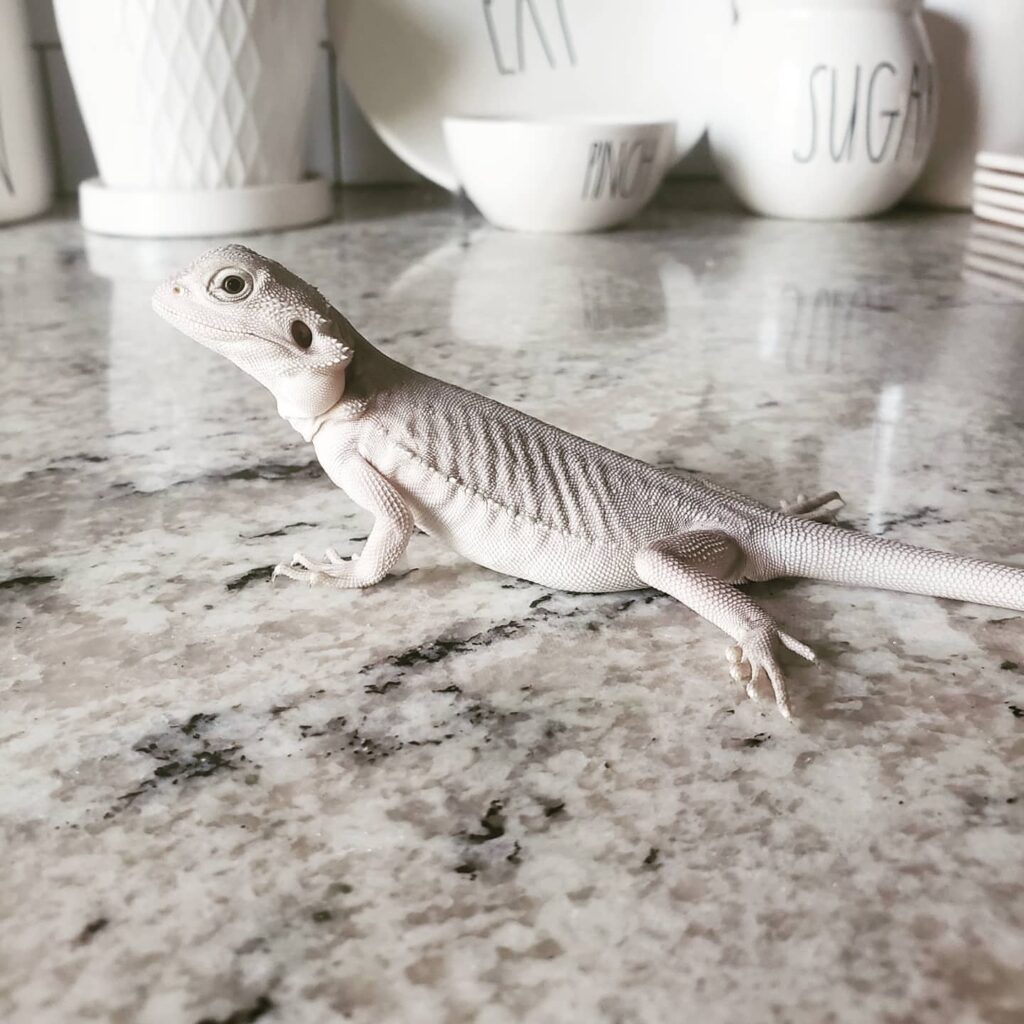
The Hypo Zero combines two genetic traits. “Hypo” (hypomelanistic) reduces dark pigment, giving the dragon lighter, brighter colors and clear nails instead of black. “Zero” is a recessive gene that removes virtually all pattern and much of the color, resulting in a silvery-white or pale gray dragon with a smooth, patternless appearance.
Care note: Hypo Zeros are slightly more sensitive to bright light than darker dragons because they lack protective pigment. Provide adequate shaded areas in the enclosure. Otherwise, care is identical to standard dragons.
-
Rarity: Rare
-
Price range: 400−1,500
-
Good for beginners? Yes, but the price may be steep for a first dragon
Standard Bearded Dragon (Wild-Type)
The standard bearded dragon—often called “wild-type” or “normal”—is the classic coloration you’d see in wild Australian bearded dragons: tan, brown, orange-brown, or gray with darker markings along the back and sides. These are the hardiest, most affordable, and most widely available.
Care note: Standard dragons are often more forgiving of beginner mistakes than some line-bred morphs. They make excellent first reptiles and are every bit as personable as their morphed cousins.
-
Rarity: Very common
-
Price range: 50−150
-
Good for beginners? Yes, highly recommended
Morph Comparison Table
| Morph | Appearance | Rarity | Price Range | Beginner Friendly |
|---|---|---|---|---|
| Standard | Tan/brown with darker markings | Very common | 50−150 | Yes (ideal) |
| Orange | Pale apricot to deep tangerine | Common | 80−250 | Yes |
| Red Monster | Intense, deep crimson red all over | Rare | 500−2,000+ | Yes (expensive) |
| Hypo Zero | Silvery-white, patternless, clear nails | Rare | 400−1,500 | Yes (expensive) |
| Leatherback | Reduced scale texture, smoother back | Common | 100−300 | Yes |
| Citrus/Tangerine | Bright yellow to orange | Common | 100−300 | Yes |
| Translucent | Solid black eyes, blueish tint, see-through nails | Moderate | 150−400 | Yes |
FAQ Section
1. How much does a bearded dragon cost?
The initial purchase price ranges from 50forastandardbabyto500-2,000+forraremorphsliketheredmonsterbeardeddragon.However,thesetup(enclosure,lighting,heating,supplies)willcostsignificantlymore—typically300-$800 for quality equipment.
2. How long do bearded dragons live?
With proper care—correct UVB, temperatures, and diet—bearded dragons live 8 to 12 years. Some individuals reach 15 years or more. This is a significant long-term commitment.
3. What size tank does a bearded dragon need?
Babies can start in 20-40 gallon enclosures. Adults need a minimum of a 40-gallon breeder (36″x18″x18″), but a 4’x2’x2′ (120-gallon equivalent) is strongly recommended for optimal health and well-being.
4. Do bearded dragons need UVB lighting?
Yes, absolutely. Without UVB, they cannot metabolize calcium and will develop metabolic bone disease (MBD), which is painful and often fatal. Use a linear T5 HO 10-12% UVB bulb, replaced every 6-12 months.
5. What do bearded dragons eat?
Babies and juveniles eat 80% insects (crickets, dubia roaches, BSFL) and 20% greens. Adults eat 70-80% greens and 20-30% insects. All insects must be dusted with calcium supplements. Offer fresh greens daily.
6. How often should I feed my bearded dragon?
Babies: insects 2-3 times daily. Juveniles: insects 1-2 times daily. Adults: insects 2-3 times weekly. Greens offered daily to all ages.
7. Can bearded dragons live together?
No. Bearded dragons are solitary and territorial. Males housed together will fight to the death. Males and females housed together will breed constantly, stressing the female. Two females may tolerate each other in a very large (8’x4′) enclosure but still risk stress. House them separately.
8. How do I know if my bearded dragon is healthy?
Clear, bright eyes; alert behavior; consistent appetite; regular, well-formed stools; smooth skin without stuck shed; rounded body (not bony or obese); bright coloration (not dark or ashy); and strong grip when handled.
9. What is the difference between a standard and a red monster bearded dragon?
Standard bearded dragons have tan, brown, or orange-brown coloration with darker markings. The red monster bearded dragon is a selectively bred morph for intense, deep red coloration across the entire body. Care requirements are identical; only appearance and price differ significantly.
10. Are bearded dragons good pets for kids?
Yes, with adult supervision. They are docile and tolerate gentle handling. Adults should handle all feeding, enclosure cleaning, temperature regulation, and health monitoring. Children should be taught proper handling techniques (no grabbing the tail or squeezing, always support the body).
11. How often should I take my bearded dragon to the vet?
Wellness exams are recommended annually for healthy adults. Babies and juveniles should have a vet check within 2 weeks of purchase, including a fecal float for parasites. More frequent visits are needed if health issues arise.
12. Where should I buy a bearded dragon?
From a reputable breeder (online platforms like MorphMarket, reptile expos) who can provide hatch dates, feeding records, parent photos, and health history. Avoid chain pet stores and wild-caught imports. For standard dragons, local reptile rescues sometimes have adults needing homes.
Conclusion
Bringing a bearded dragon into your home is not a small decision. These incredible lizards will likely be with you for 8 to 12 years or more. They’ll grow from a tiny 4-inch hatchling that fits in your palm to a solid, impressive adult that commands attention every time someone walks into the room.
But here’s the truth I’ve learned after more than a decade of keeping and breeding them: the work is absolutely worth it. There’s a unique bond that forms when you consistently, gently interact with a bearded dragon over years. They learn your scent. They stop seeing you as a threat and start seeing you as a safe presence—maybe even a source of warmth and food. That trust, earned over years, is deeply satisfying in a way that’s hard to explain to someone who’s never experienced it.
Bearded dragons are the perfect entry point into the world of reptile keeping. They teach you the fundamentals: proper lighting, temperature gradients, balanced nutrition, consistent supplementation, and respectful handling. And once you’ve mastered those skills with a bearded dragon, you’ll be prepared to explore other species if you choose.
If you’re ready to take the leap, start by preparing your setup first—ideally at least a week before bringing your dragon home. Join communities like Bearded Dragon Enthusiasts groups online. Watch videos from reputable keepers. And when you finally find healthy bearded dragon reptiles for sale from a breeder you trust—whether it’s a stunning red monster bearded dragon, a vibrant orange bearded dragon, a unique Hypo Zero bearded dragon, or a classic standard dragon—you’ll know you’ve done the work to give it a thriving home.
Your next steps:
-
Master bearded dragon enclosure setup with our complete equipment checklist
-
Compare bearded dragon morphs to find your perfect color match
-
Find ethical bearded dragon breeders near you or online
-
Download our free bearded dragon care checklist PDF
Your journey into the colorful, engaging, utterly rewarding world of bearded dragons starts now. Handle with respect, feed with variety, maintain that UVB bulb, and enjoy every single one of those 8 to 12 years. Happy keeping.