Bearded Dragon Lifespan: How Long Do They Live and How to Ensure a Long Healthy Life
Introduction
I still remember the day I brought home my first bearded dragon. He was tiny—barely four inches from nose to tail tip—and he fit in the palm of my hand. I was twenty-three years old, living in a small apartment, absolutely convinced I had everything figured out. What I didn’t fully appreciate at the time was the question of bearded dragon lifespan. I thought I was getting a pet for a few years. Instead, I got a companion that would see me through a new job, two moves, a wedding, and the birth of my first child.
That little dragon lived to be twelve years old. And in those twelve years, he taught me more about reptile care than any book or forum ever could.
Here’s the honest truth that too many people discover too late: the bearded dragons lifespan in captivity varies dramatically based on how you care for them. Some live three or four years and die prematurely from preventable causes. Others reach ten, twelve, even fifteen years. The difference isn’t luck. It’s husbandry.
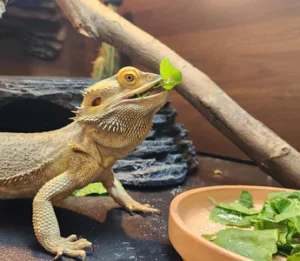
If you’re reading this, you’re probably wondering how long your bearded dragon might live, or you’re considering getting one and want to understand the commitment. The bearded dragon lifespan typically ranges from 8 to 12 years in captivity, with some individuals reaching 15 years or more. But reaching those upper ranges requires attention to detail in every aspect of care.
In this complete 2026 guide, I’ll share everything I’ve learned about maximizing bearded dragons lifespan—from choosing a healthy bearded dragon for sale to setting up the perfect enclosure, nailing the diet, recognizing health issues early, and understanding the unique needs of different morphs like the red bearded dragon and white bearded dragon.
Let’s get into it.
Understanding Bearded Dragon Lifespan and What to Expect
Before you bring a bearded dragon home, you need a realistic picture of the bearded dragon lifespan and what those years look like.
Average Lifespan Ranges
| Category | Average Lifespan | Notes |
|---|---|---|
| Wild bearded dragons | 3-5 years | Predation, disease, harsh conditions |
| Captive bearded dragons (poor care) | 3-6 years | Metabolic bone disease, impaction, respiratory infections |
| Captive bearded dragons (good care) | 8-12 years | Proper UVB, diet, enclosure, veterinary care |
| Captive bearded dragons (exceptional care) | 12-15+ years | Optimal husbandry, genetics, preventative care |
The gap between poor care and exceptional care is enormous. That’s not an exaggeration. I’ve seen dragons die at three years from metabolic bone disease because their owners didn’t provide UVB. I’ve also met a fifteen-year-old dragon who still basked eagerly and ate like a champion.
Gender Differences in Lifespan
Females generally have slightly shorter bearded dragons lifespan than males due to the stress of egg production. Females can lay multiple clutches of infertile eggs each year even without breeding. This depletes their calcium reserves and puts significant strain on their bodies.
-
Males: 10-12 years average (can reach 15+)
-
Females: 8-10 years average (can reach 12+)
Spaying females is rarely done due to the risks of reptile surgery, so the best approach is managing their environment to minimize egg production (proper temperatures, not overfeeding).
What Those Years Look Like
A healthy bearded dragon goes through distinct life stages. Understanding them helps you know what to expect.
-
Years 0-1 (Baby to Juvenile): Rapid growth, frequent shedding, high protein needs, more delicate
-
Years 1-4 (Young Adult): Slower growth, peak activity, strongest appetite
-
Years 5-8 (Mature Adult): Full size reached, slightly less active, stable routine
-
Years 9+ (Senior): Slower movement, possible appetite decrease, more veterinary attention
Factors That Affect Bearded Dragons Lifespan in Captivity
The bearded dragons lifespan depends on multiple interconnected factors. Let’s break down each one.
Genetics
Some dragons are simply born with better genetics. Reputable breeders select for health and longevity, not just color. When you’re looking at a bearded dragon for sale, ask about the parents’ ages and health histories. Dragons from long-lived bloodlines are more likely to reach advanced ages themselves.
UVB Lighting
This is the number one preventable cause of early death. Without proper UVB, bearded dragons cannot metabolize calcium. They develop metabolic bone disease (MBD), which is painful, causes permanent deformities, and dramatically shortens bearded dragons lifespan.
Nutrition
A diet that’s too high in protein (for adults), too low in calcium, or lacking in variety leads to obesity, fatty liver disease, gout, and metabolic bone disease. All of these shorten lifespan.
Enclosure Size and Quality
Cramped enclosures cause chronic stress. Stress suppresses the immune system, making dragons more susceptible to illness. An adult bearded dragon needs at least a 4’x2’x2′ enclosure to thrive.
Veterinary Care
Regular check-ups catch problems early. Annual fecal exams identify parasites before they cause weight loss and debilitation. A reptile-savvy veterinarian is essential for maximizing bearded dragons lifespan.
Handling and Stress Management
Overhandling causes chronic stress. Underhandling (for dragons that are used to human interaction) causes boredom. Finding the right balance matters.
Choosing a Healthy Bearded Dragon for Sale
Your bearded dragon lifespan journey starts with the animal you bring home. A sick or poorly bred dragon may never reach its potential.
Health Checklist for a Bearded Dragon for Sale
-
Eyes: Bright, clear, fully open. No swelling or discharge.
-
Body condition: Rounded but not obese. No visible hip bones or spine ridge.
-
Skin: Smooth, intact, no stuck shed (especially on toes and tail tip).
-
Mouth: Closed normally. No drooling or cheesy material.
-
Activity: Alert and responsive. Should move away when approached.
-
Tail base: Firm and fleshy. Not thin or bony.
-
Toes: All toes present with no signs of retained shed rings.
Questions to Ask the Breeder
-
“What’s the hatch date?”
-
“How old are the parents? Are they still alive and healthy?”
-
“What has this dragon been eating?”
-
“What UVB lighting has it had?”
-
“Has it been tested for parasites?”
Red Flags
-
The seller cannot provide a hatch date or parent information.
-
Multiple dragons are housed together in small enclosures.
-
The dragon looks thin, has stuck shed, or shows any health issues.
-
The breeder cannot answer basic care questions.
Setting Up the Perfect Enclosure for Longevity
The enclosure is the foundation of bearded dragon lifespan. Get this right, and everything else becomes easier.
Enclosure Size Requirements (H3)
| Age | Minimum Size | Recommended |
|---|---|---|
| Baby (0-6 months) | 20-gallon long | 40-gallon breeder |
| Juvenile (6-12 months) | 40-gallon breeder | 4’x2’x2′ |
| Adult (12+ months) | 75-gallon | 4’x2’x2′ or larger |
Larger enclosures allow for better temperature gradients, more exercise, and reduced stress—all of which improve bearded dragons lifespan.
Substrate Options (H3)
| Substrate | Best For | Impact on Lifespan |
|---|---|---|
| Paper towels | Babies, quarantine | Safe, easy to monitor |
| Non-adhesive shelf liner | Any age | Safe, reusable |
| Ceramic or slate tile | Adults | Best, easy to clean, files nails |
| Reptile carpet | Juveniles | Safe but must clean weekly |
| Loose substrate | Healthy adults only | Risk of impaction if husbandry poor |
Avoid: Calcium sand, walnut shell, cedar or pine—all can kill.
Hides and Enrichment (H3)
Chronic stress shortens bearded dragons lifespan. Provide at least two hides: one on the warm side and one on the cool side. Enrichment includes climbing branches, flat rocks for basking, and rotating decor.
Lighting and UVB (H3)
This is the single most important factor for bearded dragon lifespan.
-
UVB type: Linear fluorescent T5 HO (10-12%)
-
Placement: 10-12 inches above basking surface
-
Schedule: 12-14 hours daily
-
Replacement: Every 6-12 months
Without proper UVB, your dragon will develop metabolic bone disease and die years before its time.
Heating and Basking Spots (H3)
| Zone | Temperature |
|---|---|
| Basking surface | 100-110°F |
| Warm side ambient | 88-95°F |
| Cool side ambient | 75-85°F |
| Nighttime | 65-75°F |
Temperature Humidity UVB Lighting and Environmental Requirements
Quick reference chart for maximizing bearded dragons lifespan.
| Parameter | Ideal Range | Danger Zone |
|---|---|---|
| Basking surface | 100-110°F | Above 115°F (burns) |
| Warm side ambient | 88-95°F | Below 85°F (poor digestion) |
| Cool side ambient | 75-85°F | Below 70°F (respiratory risk) |
| Nighttime temp | 65-75°F | Below 60°F (illness) |
| Humidity | 30-40% | Above 50% or below 20% |
| UVB type | T5 linear 10-12% | Coil bulbs |
Feeding Your Bearded Dragon: Nutrition for a Longer Life
Diet directly impacts bearded dragon lifespan. Too much protein, too little calcium, or too much fat all shorten their years.
The Age-Based Diet Flip
| Age | Insects % | Vegetables % |
|---|---|---|
| Baby (0-4 months) | 80% | 20% |
| Juvenile (4-12 months) | 60% | 40% |
| Adult (12+ months) | 20-30% | 70-80% |
Best Insects (for the insect portion)
-
Dubia roaches (best staple)
-
Crickets
-
Black soldier fly larvae
-
Silkworms
Best Vegetables (Daily Staples)
-
Collard greens
-
Mustard greens
-
Turnip greens
-
Dandelion greens
-
Butternut squash (grated)
Foods That Shorten Lifespan (Limit or Avoid)
-
Mealworms (high fat, hard exoskeleton—impaction risk)
-
Superworms (very high fat)
-
Waxworms (addictive, low nutrition)
-
Spinach (binds calcium)
-
Kale (small amounts OK, not daily)
-
Fruit (too much sugar, once weekly max)
Supplementation for Longevity
| Supplement | Babies/Juveniles | Adults |
|---|---|---|
| Calcium with D3 | 5x per week | 2x per week |
| Calcium without D3 | 2x per week | 4x per week |
| Multivitamin | 2x per week | 1x per week |
Obesity: The Silent Lifespan Shortener
Overfeeding is one of the most common mistakes I see. An obese bearded dragon develops fatty liver disease, gout, joint problems, and a significantly shortened bearded dragons lifespan. Adults need insects only 2-3 times weekly, not daily.
Handling Temperament and Enrichment Ideas
Stress management matters for bearded dragon lifespan. Chronic stress suppresses the immune system.
Building Trust
-
First week: No handling
-
Weeks 2-4: Short 5-10 minute sessions
-
Established: 15-20 minutes, 3-5 times weekly
Enrichment for Longevity
-
Climbing structures (low branches, rock platforms)
-
Foraging opportunities (hide food around the enclosure)
-
Supervised out-of-enclosure time
-
Rotating decor monthly
-
Dig boxes (for adults on solid substrate)
Common Health Issues That Impact Bearded Dragon Lifespan
| Condition | Signs | How It Shortens Lifespan | Prevention |
|---|---|---|---|
| Metabolic Bone Disease (MBD) | Soft jaw, tremors, bent limbs | Chronic pain, permanent deformities, organ damage | UVB, calcium |
| Obesity | Fat pads in armpits, round body | Fatty liver disease, gout, heart strain | Proper feeding schedule |
| Impaction | Bloated belly, straining | Intestinal blockage, death | Safe substrate, proper prey size |
| Respiratory infection | Wheezing, bubbles from nose | Spreads to lungs, sepsis | Proper temperatures |
| Parasites | Weight loss, runny stool | Chronic malnutrition, organ damage | Annual fecal exams |
| Kidney disease | Lethargy, loss of appetite, swelling | Organ failure | Proper hydration, low-protein diet for adults |
Preventative Care Checklist for Longevity
-
Daily: Spot-clean, check water, observe behavior
-
Weekly: Deep-clean water bowl, weigh your dragon (track trends)
-
Monthly: Check UVB output, deep-clean enclosure
-
Annually: Veterinary wellness exam with fecal float
Growth Stages from Baby to Adult
Understanding growth stages helps you adjust care for maximum bearded dragons lifespan.
| Stage | Age | Length | Weight | Care Focus |
|---|---|---|---|---|
| Hatchling | 0-1 month | 3-4 inches | 4-6 grams | High humidity, small prey, delicate |
| Baby | 1-4 months | 5-10 inches | 15-100 grams | High protein, daily feeding, handle gently |
| Juvenile | 4-12 months | 10-16 inches | 100-350 grams | Transition to more greens, upgrade enclosure |
| Sub-adult | 12-18 months | 16-20 inches | 350-450 grams | Slowing growth, monitor for obesity |
| Adult | 18+ months | 18-24 inches | 400-600+ grams | Maintenance diet, annual vet visits |
Popular Bearded Dragon Morphs
Many owners interested in bearded dragon lifespan also explore beautiful color variations. Here’s what you need to know about common morphs.
Bearded Dragon for Sale (Standard/Wild-Type)
Standard bearded dragons have the classic orange-brown coloration. They are the hardiest, most affordable, and generally have fewer genetic health issues than some extreme morphs. For maximum bearded dragons lifespan, standards are an excellent choice.
-
Lifespan impact: Generally excellent
-
Special care: None
-
Price range: 50−150
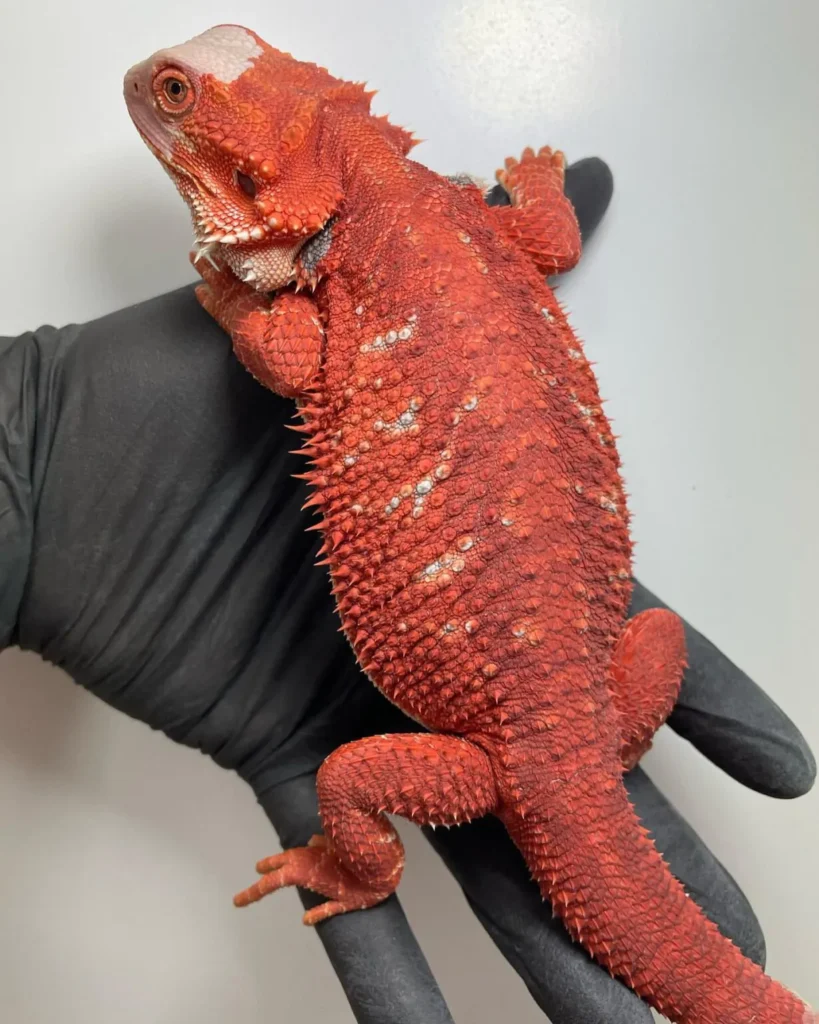
Red Bearded Dragon
The red bearded dragon comes in shades from deep crimson to bright orange-red. These are line-bred for color, which doesn’t typically introduce health problems. However, some red lines are bred from smaller stock, so ask about parent size.
-
Lifespan impact: Same as standard with good breeding
-
Special care: None
-
Price range: 150−500
White Bearded Dragon (Hypo Zero or Witblits)
The white bearded dragon (often a Hypo Zero or Witblits morph) has reduced dark pigment, resulting in a pale, silvery-white appearance. These dragons can be more sensitive to bright light due to reduced pigment protection.
-
Lifespan impact: Same as standard with good breeding
-
Special care: Provide extra shaded areas; avoid extremely intense lighting
-
Price range: 400−1,500+
Morph Comparison Table
| Morph | Appearance | Special Care for Longevity | Price Range |
|---|---|---|---|
| Standard | Orange-brown | None | 50−150 |
| Red Bearded Dragon | Deep red to orange-red | None (verify parent size) | 150−500 |
| White Bearded Dragon | Pale silver-white | Extra shade, avoid intense light | 400−1,500+ |
FAQ Section
1. How long do bearded dragons live?
The average bearded dragon lifespan in captivity is 8 to 12 years with proper care. Some individuals reach 15 years or more. In the wild, they typically live only 3-5 years due to predators and harsh conditions.
2. What factors most affect bearded dragons lifespan?
The most critical factors are UVB lighting (without it, they develop MBD), proper nutrition (age-appropriate diet with calcium), enclosure size (adults need 4’x2’x2′ minimum), and regular veterinary care.
3. Can bearded dragons live 20 years?
It’s extremely rare but possible. The oldest recorded bearded dragon lived approximately 18-20 years. Most will live 8-12 years. Exceptional care, good genetics, and some luck are required to reach the upper end of bearded dragon lifespan.
4. Do male or female bearded dragons live longer?
Males generally live longer than females by 1-3 years on average. Females produce eggs (even infertile ones), which depletes their calcium reserves and puts stress on their bodies.
5. How can I help my bearded dragon live longer?
Provide proper UVB (linear T5 10-12%, replaced every 6-12 months), maintain correct temperatures (basking 100-110°F), feed age-appropriate diet with calcium supplements, use a 4’x2’x2′ enclosure, and schedule annual veterinary check-ups.
6. Do different bearded dragon morphs have different lifespans?
Standard morphs generally have the best bearded dragons lifespan because they haven’t been heavily line-bred. Some extreme morphs (silkbacks, some albino lines) may have shorter lifespans due to genetic vulnerabilities or special care requirements. A well-bred red bearded dragon or white bearded dragon from a reputable breeder can live just as long as a standard.
7. What are signs my bearded dragon is aging?
Senior bearded dragons (8+ years) may move more slowly, sleep more, eat slightly less, and have less vibrant colors. They may also develop age-related conditions like kidney disease or arthritis.
8. How often should I take my bearded dragon to the vet?
Healthy adults should have an annual wellness exam with fecal float. Babies and juveniles should have a vet visit within 2 weeks of purchase. Senior dragons (8+ years) may benefit from bi-annual visits.
9. Can poor care really shorten bearded dragon lifespan by years?
Absolutely. A bearded dragon without proper UVB or calcium will develop metabolic bone disease and may die by age 3-5. Obesity from overfeeding leads to fatty liver disease and premature death. Proper care is not optional—it’s the difference between a 5-year lifespan and a 12-year lifespan.
10. What’s the most common cause of early death in bearded dragons?
Metabolic bone disease from inadequate UVB lighting is the number one preventable cause. Respiratory infections from incorrect temperatures and impaction from unsafe substrate are also common.
11. Do bearded dragons slow down as they age?
Yes. Senior dragons (8+ years) typically become less active, sleep more, and may have reduced appetite. This is normal, but any sudden change in behavior warrants a vet visit.
12. Is 10 years old for a bearded dragon?
Yes, 10 years is a good, solid lifespan for a well-cared-for bearded dragon. Reaching 10-12 years means you’ve done most things right. Reaching 15 years is exceptional.
Conclusion
The bearded dragon lifespan is not a fixed number. It’s a range that YOU have enormous power to influence. A dragon that receives proper UVB, correct nutrition, adequate space, and regular veterinary care can live 10, 12, even 15 years. One that doesn’t may struggle to see its fifth birthday.
I’ve seen both ends of that spectrum. I’ve held dragons who were clearly suffering—soft jaws from MBD, bloated bellies from impaction, labored breathing from respiratory infections. And I’ve held dragons who were bright-eyed, alert, and active well into their teenage years. The difference wasn’t luck. It was husbandry.
If you’re considering bringing a bearded dragon for sale into your home, go into it with your eyes open. This is not a pet for a few years. This is a decade-plus commitment. But if you’re willing to learn, to invest in quality equipment, to pay attention to the details—the reward is a companion that will be with you through major life changes, a quiet presence that asks for little and gives so much in return.
Whether you choose a standard, a vibrant red bearded dragon, or a stunning white bearded dragon, the principles are the same: respect the UVB, feed the right diet, provide the space, and build the trust. Do those things, and your dragon will likely be with you for many, many years.
Your next steps:
-
Download our bearded dragon longevity checklist
-
Find a reptile veterinarian near you
-
Shop recommended UVB lights and thermostats
Your bearded dragon’s long, healthy life starts with the decisions you make today. Make them count. Happy keeping.