
Description
About This Eastern Indigo Snake
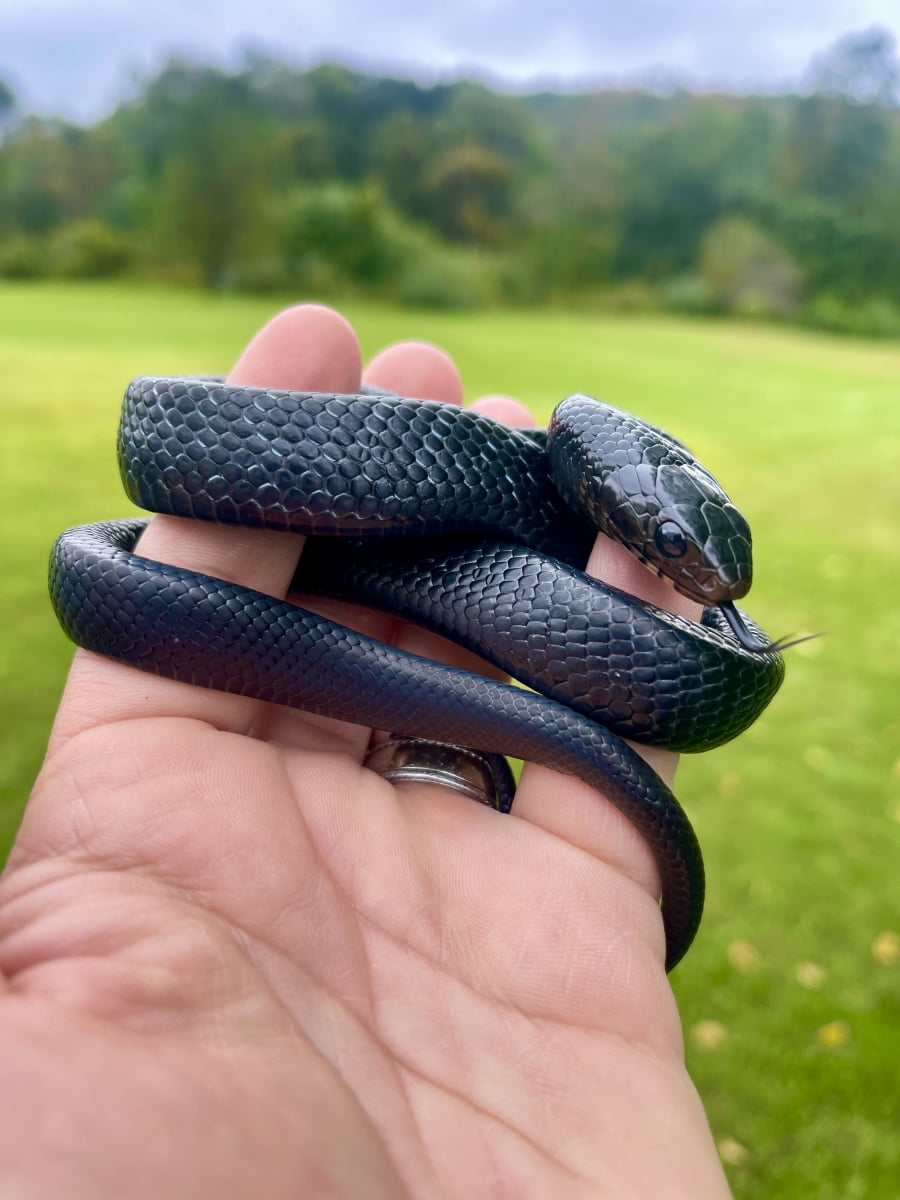
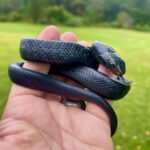
This is not a snake you see every day. The Eastern Indigo (Drymarchon couperi) is a federally protected species, and captive‑bred babies like this one are the result of years of dedicated conservation breeding. This individual is a perfect example of why indigos are considered the holy grail of North American colubrids: glossy jet‑black scales that flash an iridescent blue‑purple in the light, a powerful muscular build, and an alert, intelligent expression that few other snakes possess. It’s eating frozen‑thawed rodents with enthusiasm and has a calm but inquisitive temperament—exactly what you want in a snake that will grow into a 7‑ to 8‑foot gentle giant.
Owning an Eastern Indigo comes with serious responsibility. These snakes are protected under the U.S. Endangered Species Act, and while captive‑bred individuals can be sold across state lines with proper documentation, you must verify your state’s regulations before purchasing. An Interstate Commerce Permit (ICP) is typically required for interstate sales, and some states (like Georgia and Florida) have additional restrictions. We will provide all necessary paperwork with this animal.
What You Get With This Snake
- Species: Eastern Indigo Snake (Drymarchon couperi)
- Source: Captive bred (CB) from documented lineage
- Current Size: Approximately 24 inches, around 120 grams
- Adult Size: 6–8.5 feet, up to 10 lbs
- Diet: Frozen‑thawed mice and quail chicks every 5–7 days
- Temperament: Alert, curious, and easily handleable
Why the Eastern Indigo Is So Special
- Largest Native U.S. Snake: They hold the title for longest snake in North America north of Mexico.
- Iridescent Beauty: Under full‑spectrum light, their jet‑black body shimmers with blue, violet, and copper highlights.
- Intelligent & Active: Indigos are diurnal (day‑active) and constantly exploring. They’re not a “sit in a hide all day” species—they’ll watch you from across the room.
- Voracious Appetite: Unlike finicky ball pythons, indigos have a legendary feeding response and rarely refuse a meal.
- Conservation Icon: Every captive‑bred indigo helps reduce pressure on wild populations and supports reintroduction efforts.
Sublime Reptiles Breeder Notes
We’ve been working with Eastern Indigos for several years, and they are unlike any other snake we keep. This baby has been housed in a spacious, well‑structured enclosure with deep substrate for burrowing, a large water basin, and a basking spot of 85–88°F. It’s taken frozen‑thawed rodents from day one and has already shed twice with us—perfectly each time. Indigos are known for their fast metabolism, so expect to clean the enclosure more frequently than with a python. They also benefit from varied prey: quail chicks, frog legs, and even the occasional reptilink help mimic their wild diet. We consider this species the pinnacle of colubrid keeping—if you have the space, budget, and permits, there’s nothing quite like an indigo.
All our animals are healthy, legally sourced, and backed by our live arrival guarantee. Please contact us before purchasing to discuss your state’s regulations and the permitting process. We’re here to help every step of the way.
Reviews
There are no reviews yet.